
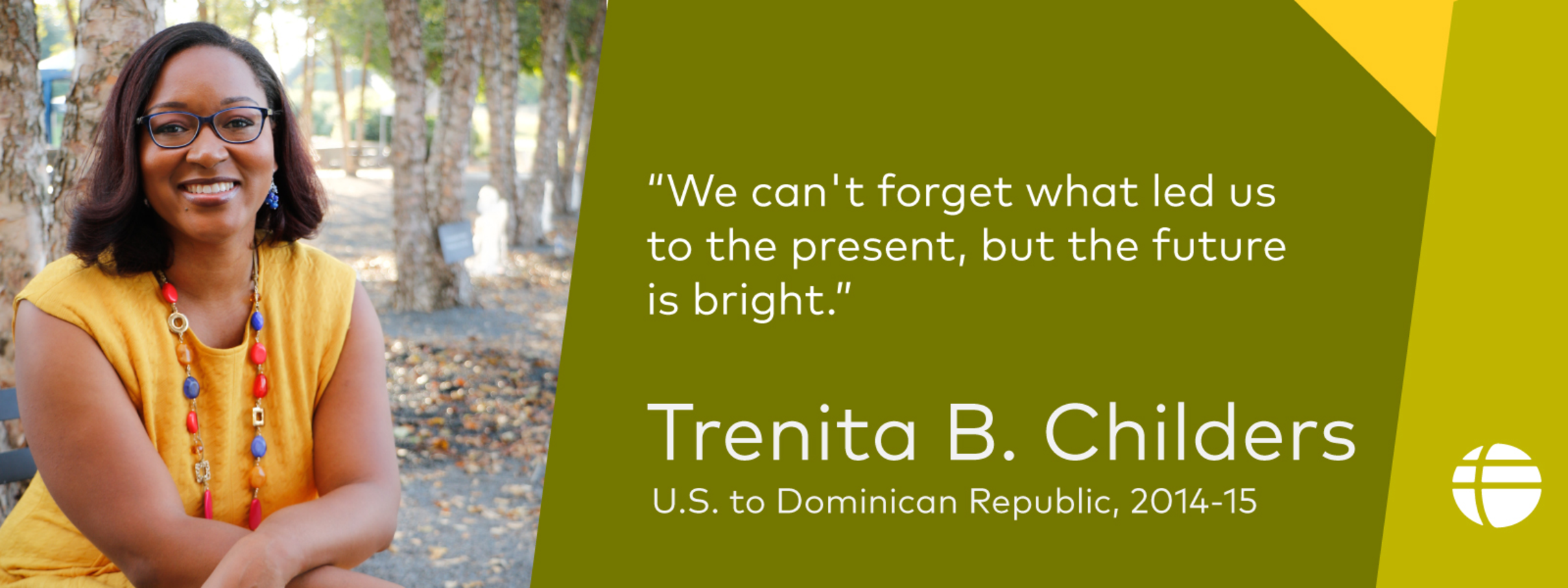
Black History Month: Trenita B. Childers (U.S. to Dominican Republic, 2014-15)
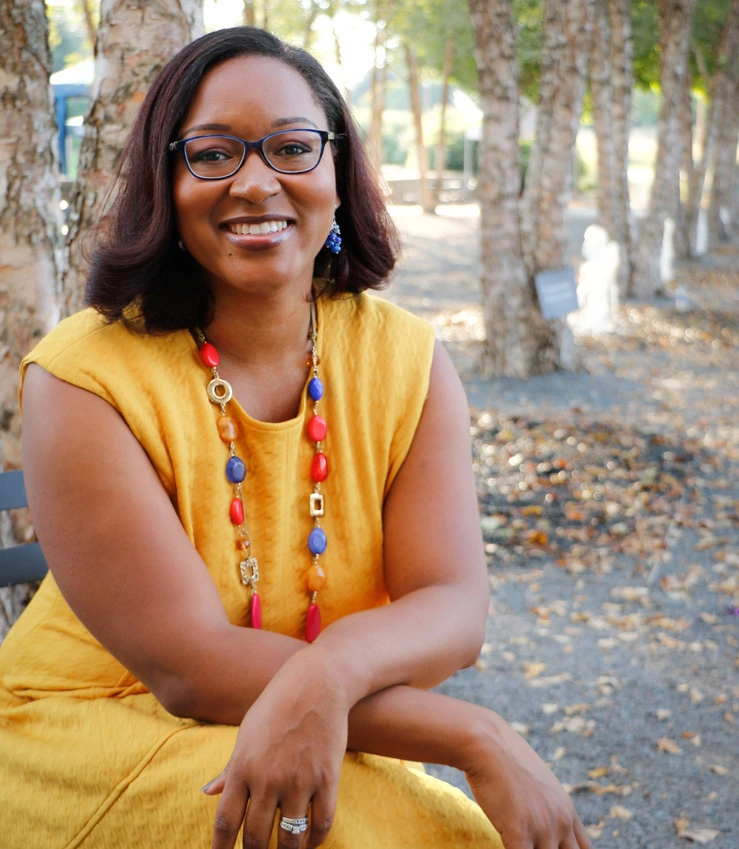
Fulbright and other organizations looking to be more inclusive can foster a culture of humility, mutual learning, and accountability.
What have you been doing since your Fulbright award?
My Fulbright year in the Dominican Republic was an incredible opportunity for me and for my family. My husband and two children (at the time) were also able to experience life in another country, connecting with warm and loving people in the Caribbean. After finishing my Fulbright year, we welcomed our third child, I graduated from the sociology PhD program at Duke University, started a position as a health researcher at the American Institutes for Research, and published a book based on the research I completed as a Fulbright Scholar. The book, "In Someone Else's Country: Anti-Haitian Racism and Citizenship in the Dominican Republic" foregrounds the voices of people of Haitian descent to learn about racism, citizenship, and resistance.
I am currently a senior researcher at AIR, and my work is focused on Afghan refugee resettlement (Health Equity for Afghan Refugees project) and community partnerships to advance equity. I am also president of the Association of Applied and Clinical Sociology where we work to connect social scientists across the globe who are using sociological approaches to make a difference in the world.
What does Black History Month mean to you?
For me, Black History Month is about learning from the past while still moving forward into the future. "Sankofa" is a concept derived from West Africa, and it's often depicted with an image of a bird facing forward, but reaching back. It reminds us of the importance of learning from the past to build the future. We can't forget what led us to the present, but the future is bright.
How do you think Fulbright can be more inclusive?
Fulbright and other organizations looking to be more inclusive can foster a culture of humility, mutual learning, and accountability. Humility means recognizing growth areas and working to address them. Mutual learning opens up space to have difficult conversations about an organization's reality versus its ideal when it comes to diversity, equity, and inclusion goals. Mutual learning also means one-on-one conversations that help us connect and build relationships. We can all learn from one another. And accountability means putting checkpoints in place for continuous improvement and monitoring progress toward inclusivity goals. Each of these pieces - humility, mutual learning, and accountability - can contribute to organizational growth and development.