Lonwabo Makapela on Hair Bias in the Workplace and Her Fulbright in the U.S.
Article written by Fulbrighter Lonwabo Makapela.
The Hair and its Ramification (HAIR) Paper
The “Hair and Its Ramifications (HAIR)” paper introduces a new theoretical model that examines how hair bias operates in the workplace and, more specifically, how it shapes Black women’s experiences when they wear their natural hair in the workplace. Published in the Journal of Applied Psychology, the article addresses a gap in the existing research by offering a micro-level explanation of how everyday interactions, particularly hair-related microaggressions, translate into broader patterns of inequality at work.
The model is grounded in social identity theory and conservation of resources theory, allowing us to trace how seemingly small and subtle incidents, such as comments, questions, or behaviors directed at Black women’s hair, can trigger identity threats. These threats affect both personal and professional identities, ultimately shaping outcomes such as perceived inclusion, well-being and career trajectories.
By centering Black women, the article highlights how intersectionality, specifically the combination of race and gender, creates a distinct and often intensified experience of bias. Hair is more than an aesthetic feature; it functions as a visible marker of identity that is frequently evaluated against Eurocentric norms of professionalism and beauty.
Importantly, the HAIR model does not only diagnose the problem. It also identifies the conditions under which the harmful effects of hair bias can be mitigated. These include organizational acceptance of natural hair, allyship from colleagues and leaders, prior career success, and proactive coping strategies. In doing so, the paper aims to move the conversation from awareness to actionable change within organizations.
For me, personally, this paper represents more than a theoretical contribution. It is an attempt to give language and legitimacy to experiences that are often dismissed as minor, misunderstood as harmless or endured in silence. Behind every “small” comment about hair is a moment where someone questions whether they belong, whether they are seen as professional, or whether they must change a part of themselves to be accepted. These are not abstract ideas; they are lived, cumulative experiences that shape how people move through their work and their identities. The paper is, in many ways, about making those invisible moments visible and insisting that they matter.
My time as a Fulbrighter
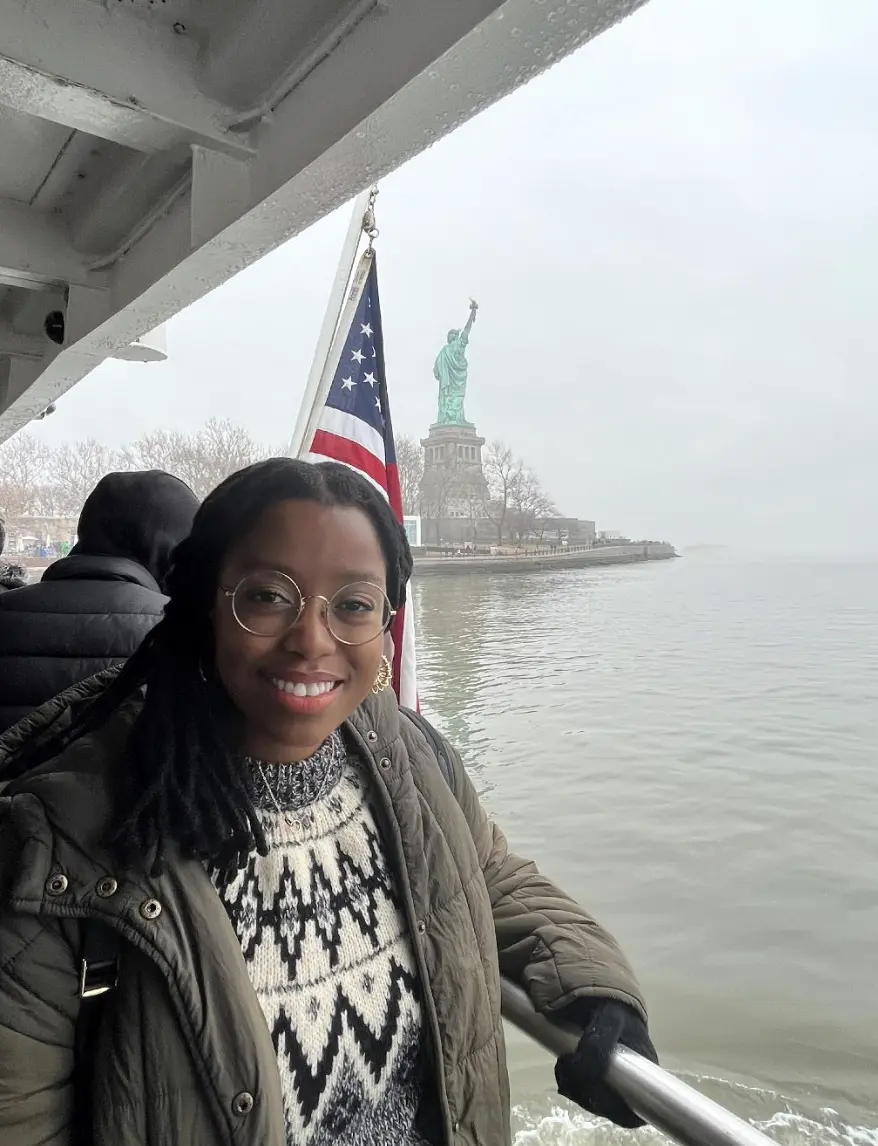
My Fulbright experience was transformative, both intellectually and personally. I came to the United States as a second-year PhD student from the University of Pretoria in South Africa, hosted at the Vanderbilt University Owen Graduate School of Management. At that stage, I had questions, ideas, and a strong desire to understand how scholars in the U.S. engage with issues of bias and discrimination, particularly the subtle, uncomfortable interactions that often go unspoken.
Working with María del Carmen Triana was the most impactful part of my Fulbright journey. She has been an extraordinary mentor, intellectually rigorous, generous with her time, and deeply committed to meaningful scholarship. Through her Diversity and Methods lectures, I was exposed to new ways of thinking, theorizing, and writing. I returned to South Africa not only with new knowledge but also with a renewed sense of confidence and courage in my academic voice.
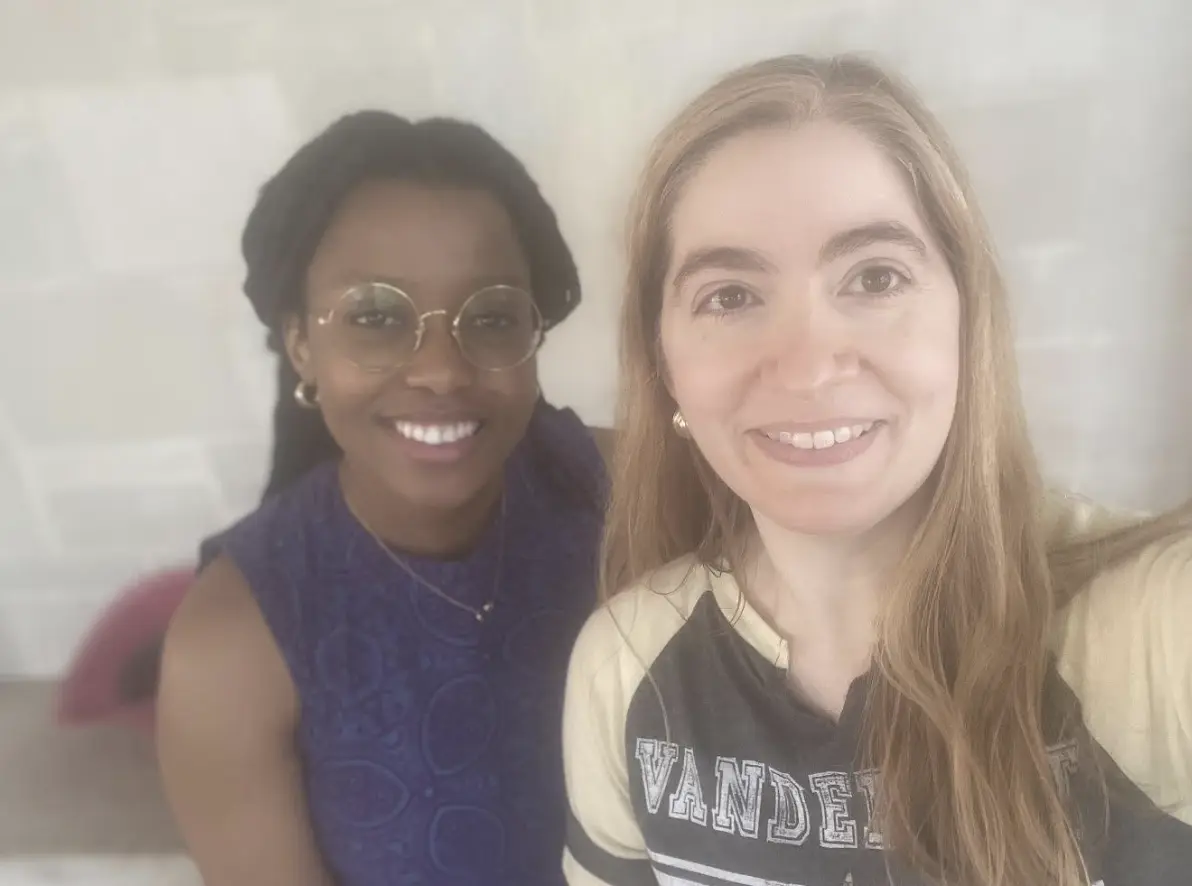
Maria also brought together an incredible team: Aneika L. Simmons from Prairie View A&M University, who is herself a Fulbrighter, and Orlando C. Richard from the University of Massachusetts Amherst. Collaborating with them was a truly formative experience. What began as an idea evolved into a conference paper that was accepted at the Academy of Management Annual Meeting, where it received a Best Paper Award. From there, we continued refining and developing the work until it found its home in the Journal of Applied Psychology.
To see what we created together starting from my time as a visiting PhD student is still something I find hard to fully process. It speaks to the power of mentorship, collaboration, and the opportunities that Fulbright creates.
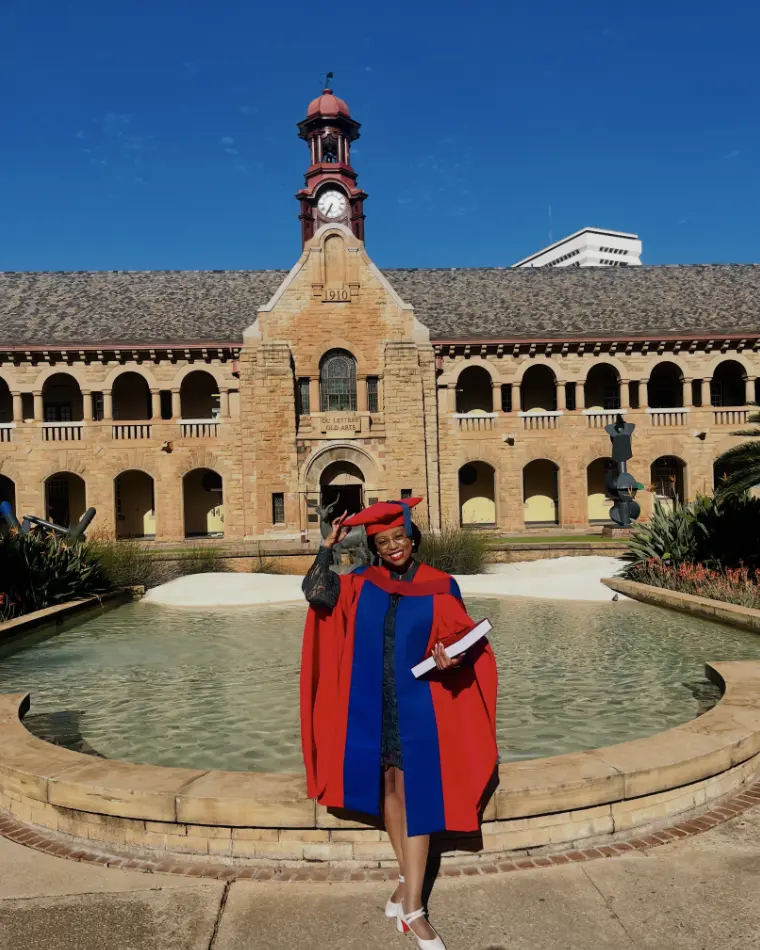
Since my Fulbright experience, my academic journey has unfolded in ways that I could not have imagined at the time. I completed my PhD at the University of Pretoria and went on to a postdoctoral position at the Graduate School of Business at the University of Cape Town, South Africa. I am currently continuing my postdoctoral work at the Institute of Psychology, University of Bern, Switzerland.
The Fulbright experience played a foundational role in shaping my trajectory. It gave me not only technical skills on how to theorize, write, and position research at an international level but also a sense of possibility. It showed me what collaborative, high-impact scholarship can look like, and it gave me the tools to contribute to it.
While the academic experience was invaluable, Fulbright is, at its heart, about cultural exchange, and that aspect meant just as much to me.
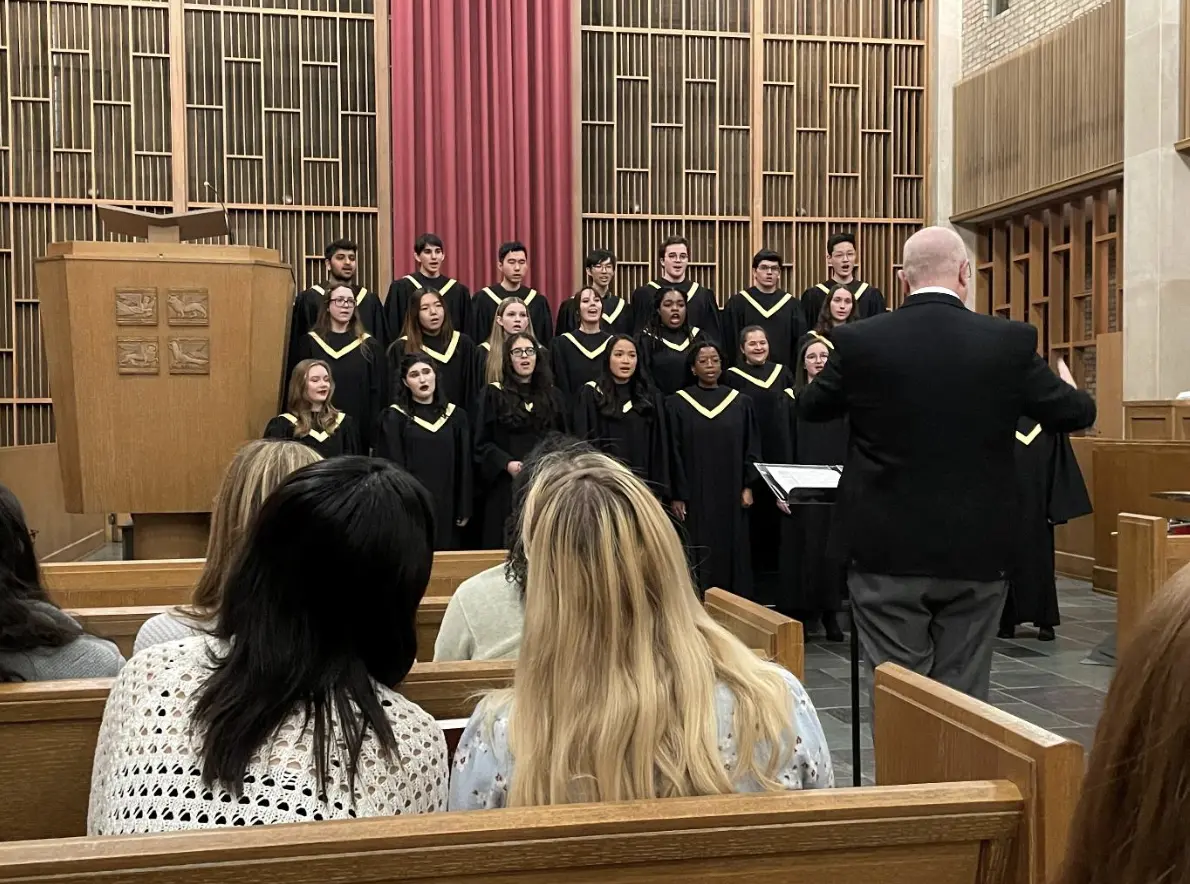
During my time in Nashville, I built friendships that I still carry with me. I joined the university choir, which became a space of joy and community outside academic life. I was also fortunate to spend holidays with my wonderful host family, the Merrys, whose kindness and generosity made me feel at home in a country that was unfamiliar to me. These experiences grounded my time in the U.S. in something deeply human.
The Fulbright program gave me the opportunity to engage not only with new ideas but also with new people, perspectives, and ways of living.