
Anastasia Simakhova on How Education Can Become a Force for Healing
Article written by Fulbrighter Anastasia Simakhova.
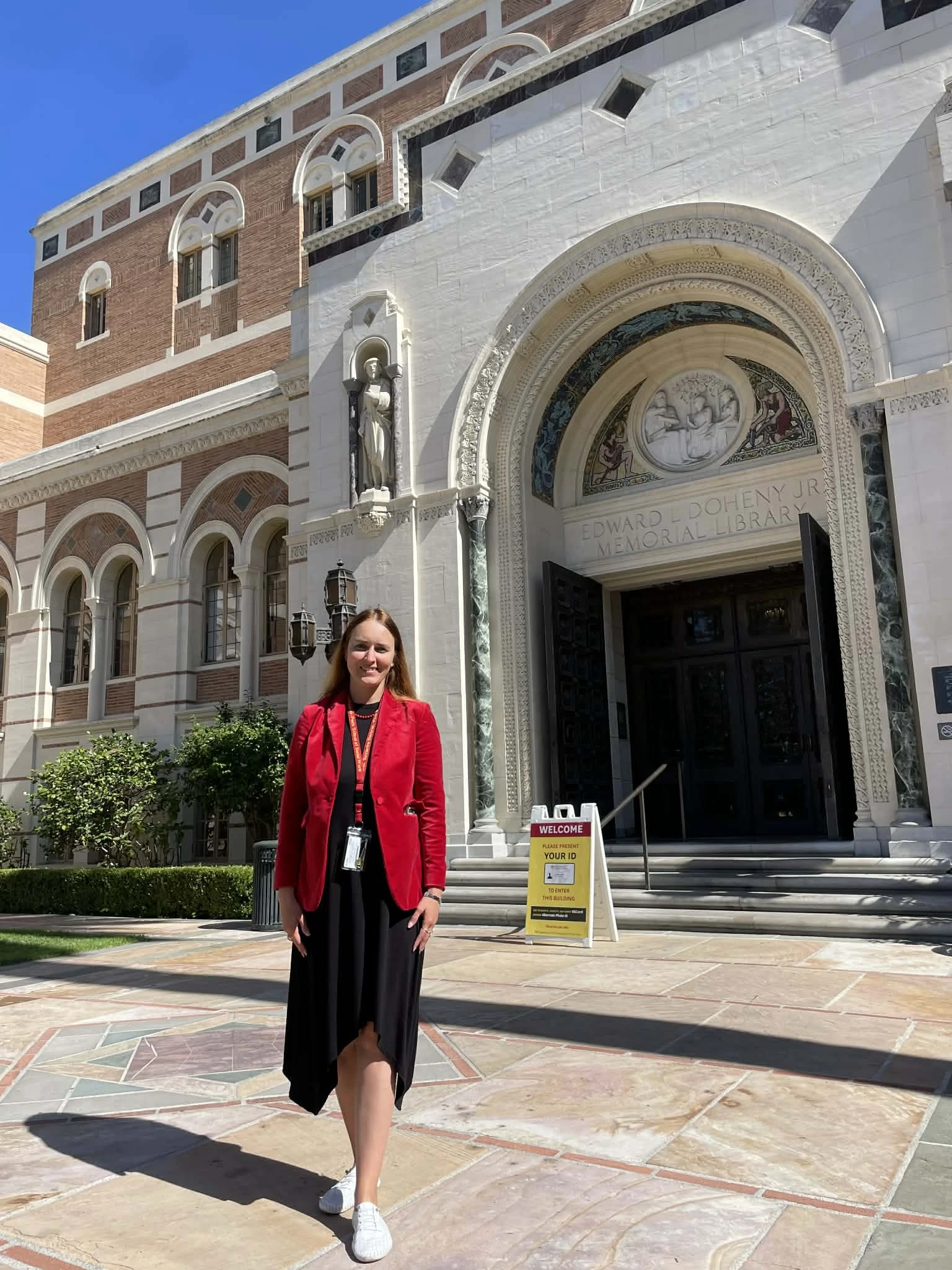
My Fulbright at the University of Southern California was much more than an academic exchange, it was a transformative journey of research, leadership, service, and bridge-building during one of the most challenging periods in Ukraine’s history.
As a professor from National University "Kyiv Aviation Institute" and a Chairwoman of Young Scientist Council at the Ministry of Education and Science of Ukraine, I came to the United States to study how American universities support veterans’ reintegration into civilian life and also all features of science funding and young scientists support in the USA. While learning from the U.S. experience, I was simultaneously working to create new opportunities for young researchers in Ukraine.
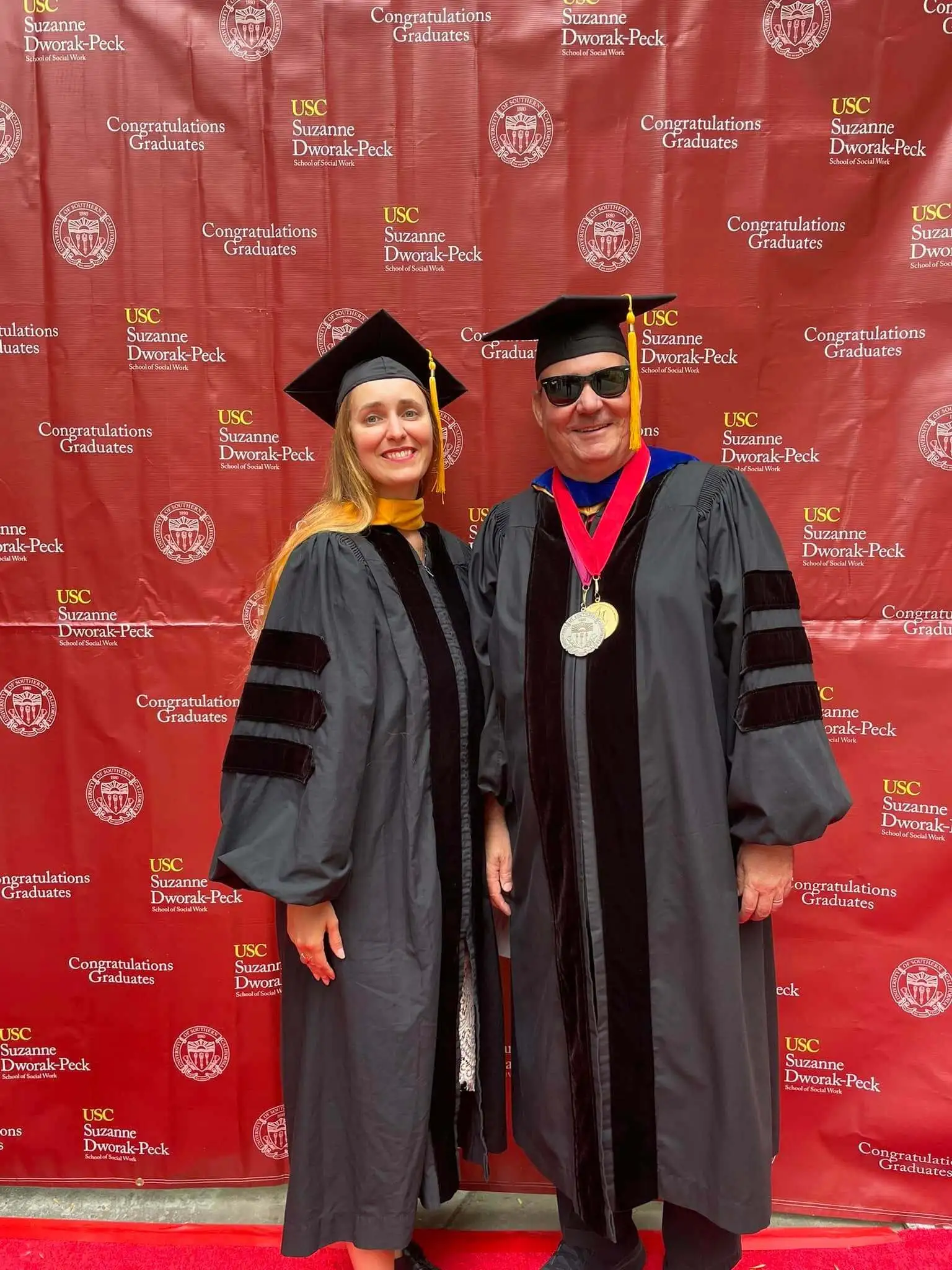
I organized international lectures, discussions, and leadership events connecting Ukrainian early-career researchers with leading American scholars, veterans, policymakers, and practitioners (13 different events with American professors, veterans, public leaders). I wanted my Fulbright experience to benefit not only me, but also hundreds of young scientists whose professional development continues despite war.
One of the most unique aspects of my Fulbright year was that I felt as if I was living two lives at once in Ukraine and in the United States, separated by a ten-hour time difference. My mornings and afternoons were dedicated to research, teaching, and academic activities at USC. My evenings and nights often belonged to Ukraine: meetings with young scientists, organizing conferences and webinars, participating in Ministry initiatives, supporting academic projects, and maintaining connections with colleagues living and working through wartime realities. Many days began in one country and ended in another, connected by Zoom, chats, emails, and a shared commitment to education and science.
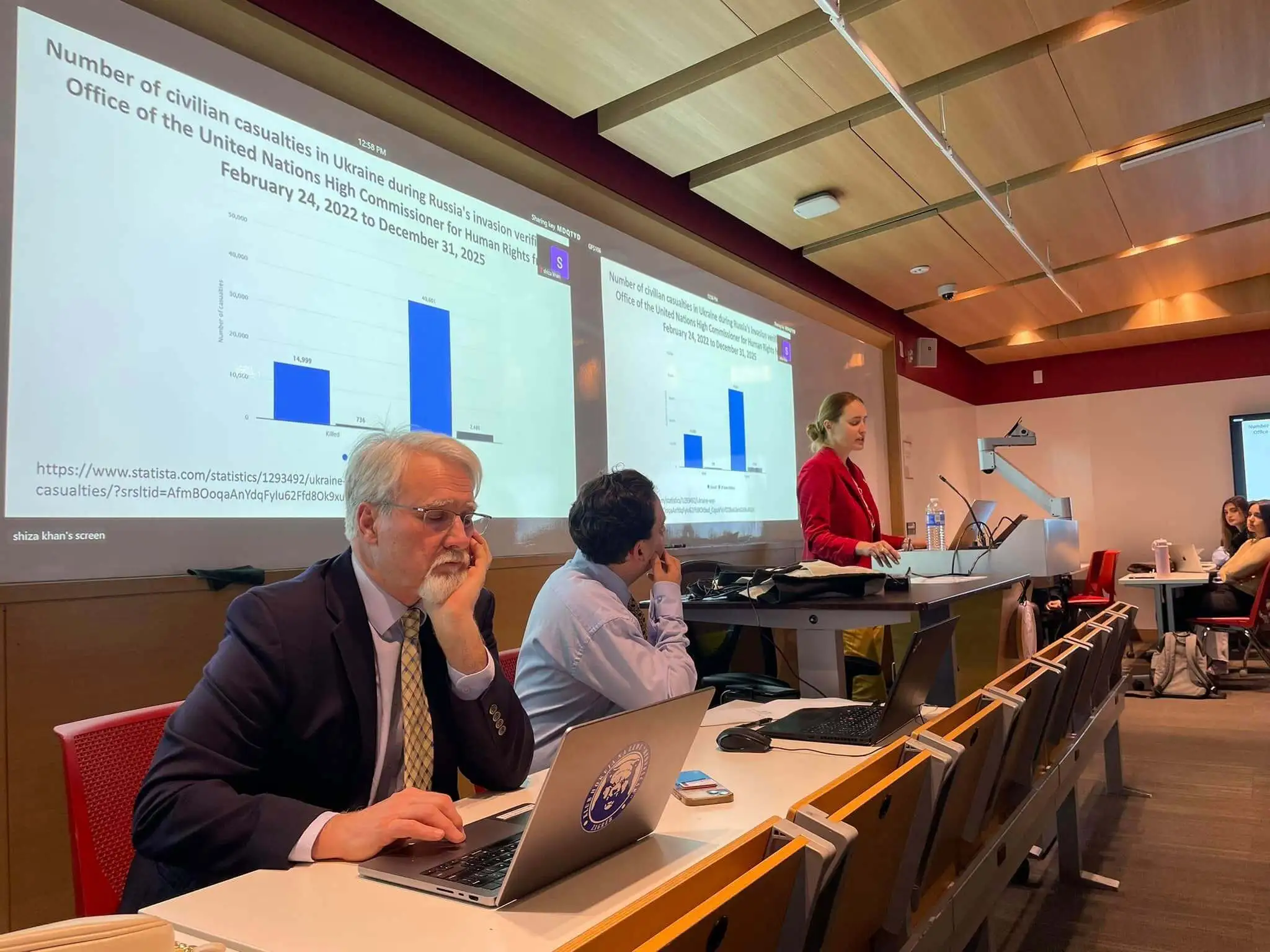
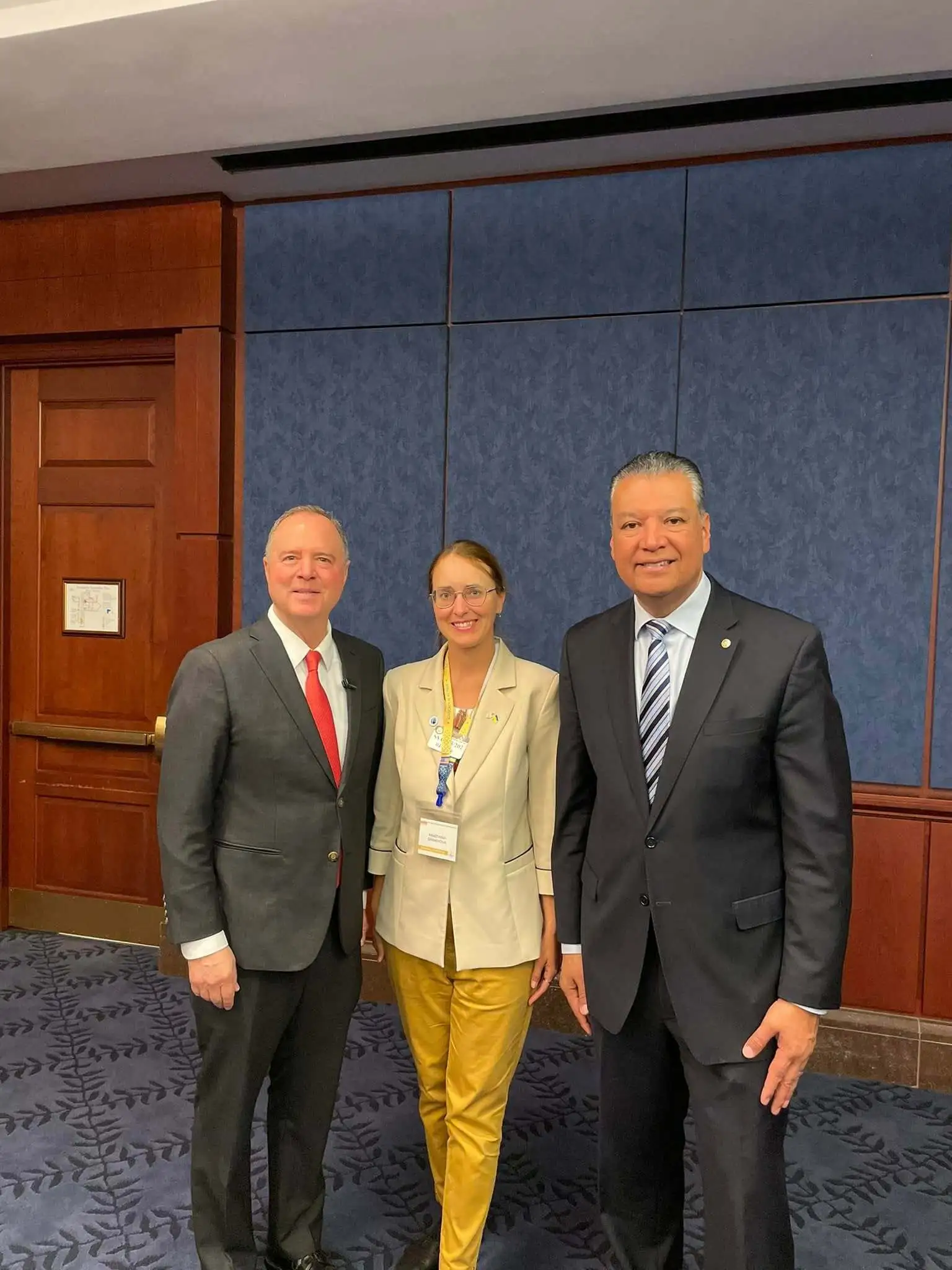
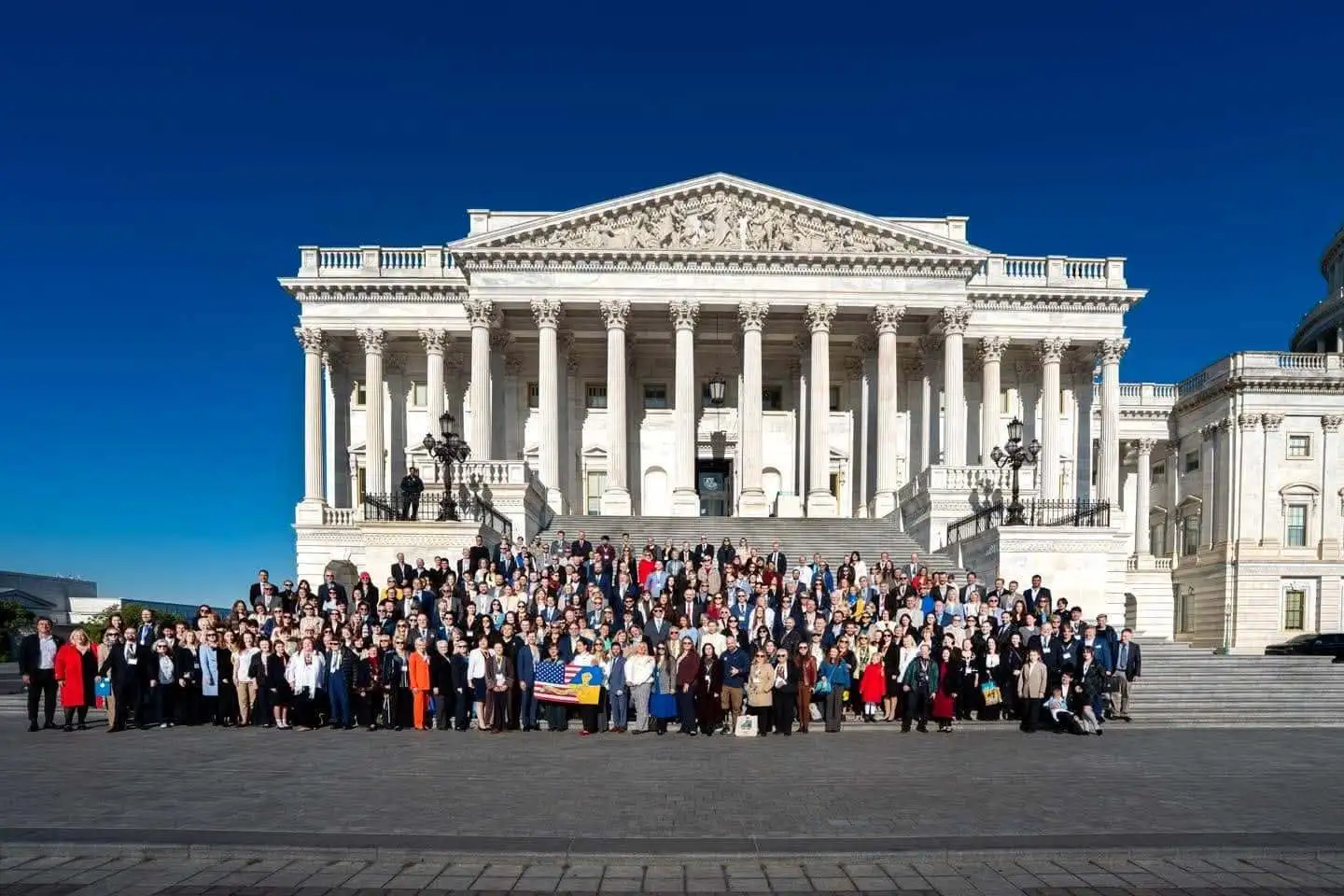
Perhaps the most powerful aspect of my Fulbright experience was realizing how education can become a force for healing, resilience, and social change. While studying veteran reintegration in the United States, I was constantly thinking about Ukraine’s future and how these lessons could help thousands of Ukrainian veterans rebuild their lives after the war. From presenting research at USC to advocating for Ukraine during the Ukraine Action Summit on Capitol Hill (April 20-22, 2026), I witnessed how one scholar can serve as a bridge between nations, institutions, and communities.
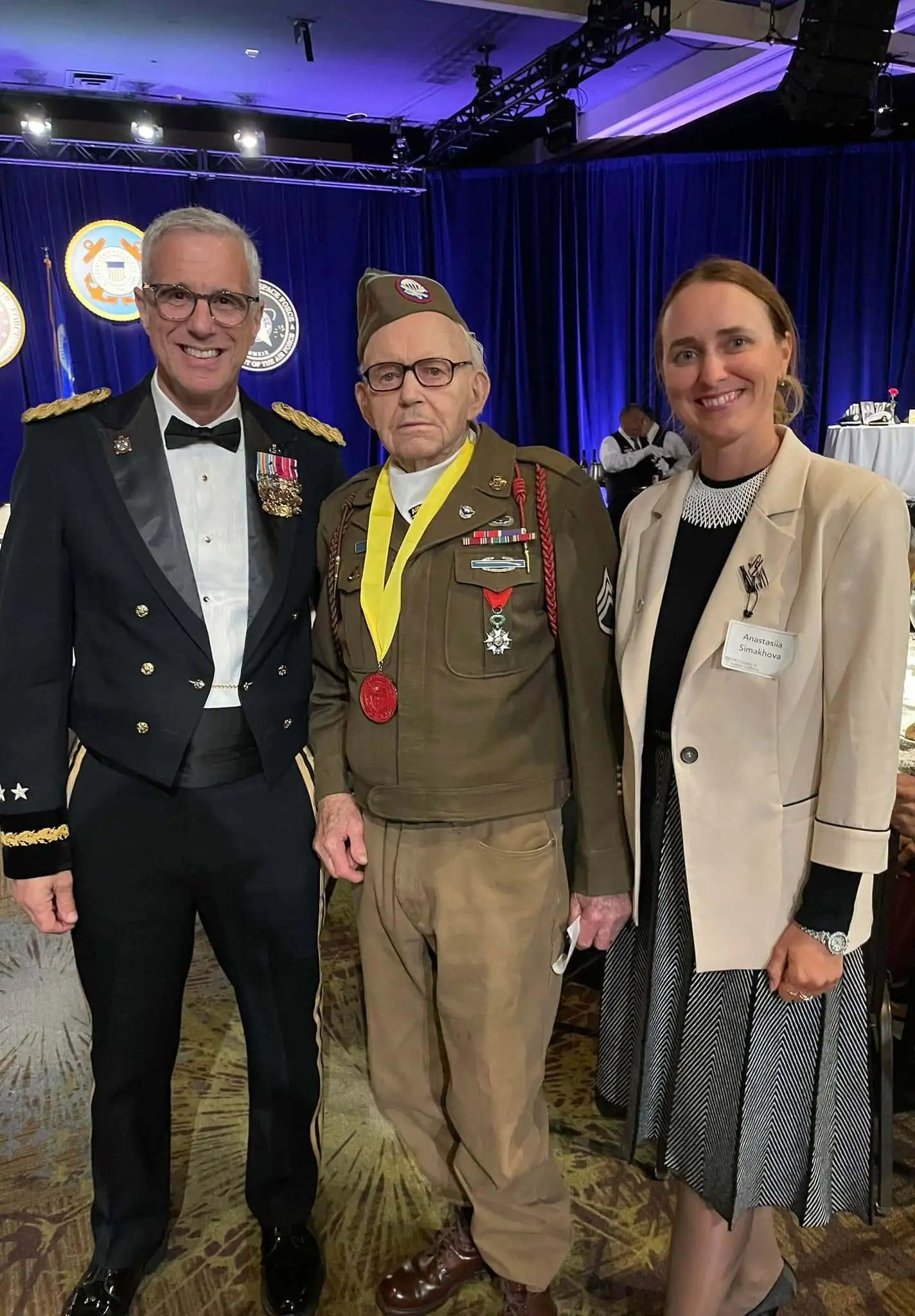
Fulbright gave me much more than knowledge, it gave me a global network, lifelong partnerships, and a deeper understanding of the responsibility that comes with academic leadership. It showed me that research matters most when it creates opportunities for others. As a Fulbright Scholar, I was not only learning from America; I was building connections that will continue supporting Ukrainian students, young researchers, and veterans long after my fellowship ends.
That is why my Fulbright story is not only about academic mobility. It is a story of serving two communities at once, connecting two countries across continents and time zones, and using education as a tool for hope, resilience, and positive change.