
Alaina Mallette on Her "Overwhelmingly Positive" Experience in Ukraine
During her Fulbright grant in Ukraine, in 2018, Alaina Mallette realized that "international relations is more than diplomatic decision-making; it includes the everyday people-to-people interactions that build an understanding of who we are and what we value as a representative of our respective cultures and societies".
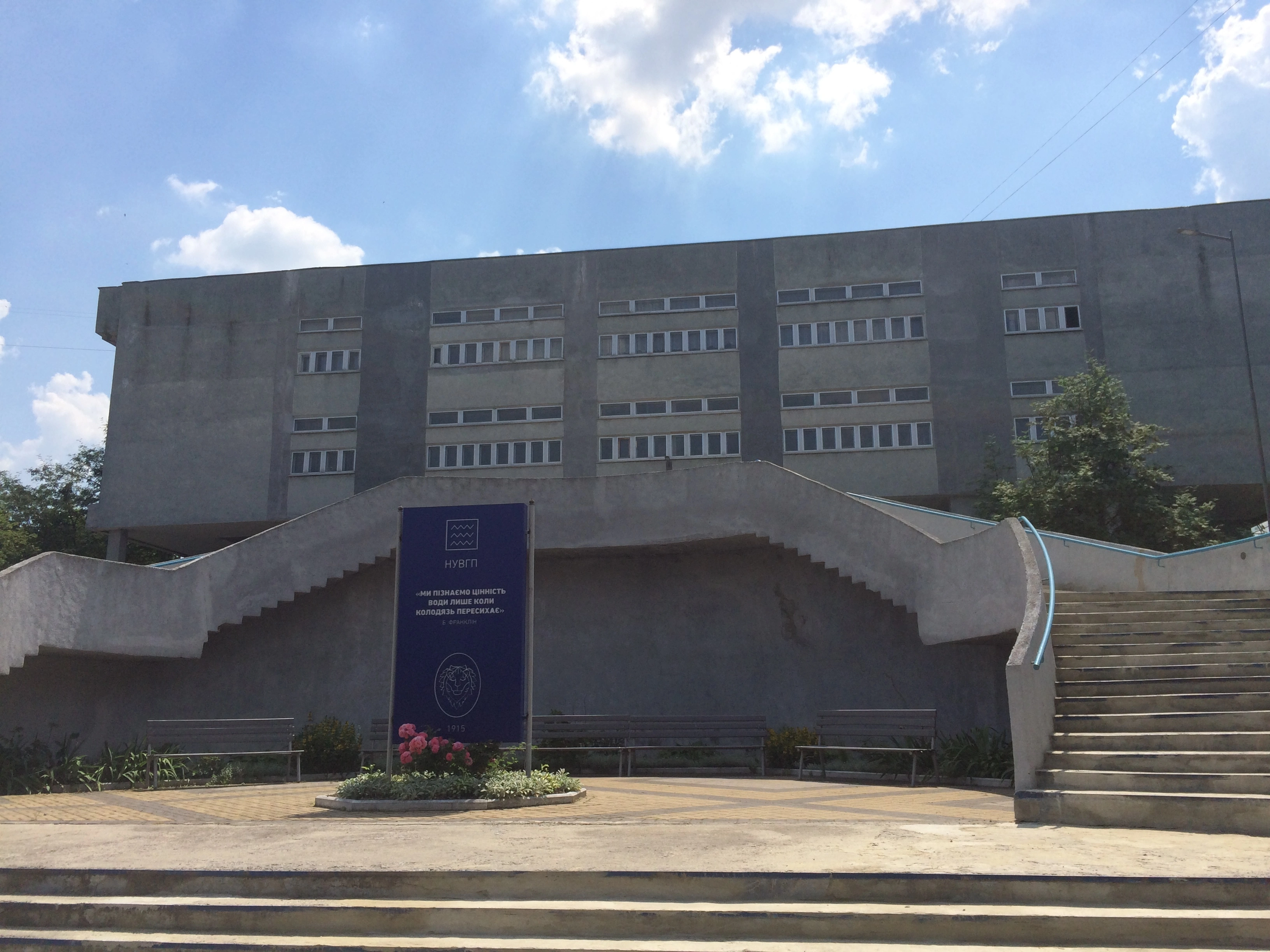
Back in the United States and pursuing a Law degree, after completing a Master of Science in Environmental Science, she is now looking to connect the Ukranian National University of Water and Environmental Engineering to institutions in her home country.
In this Q&A, Alaina dicusses the impact that her Fulbright Award in Ukraine has had on her and how the connections she's made there have inspired her to continue to find ways to support the country.
When did you first hear about Fulbright and how did you make the decision to apply?
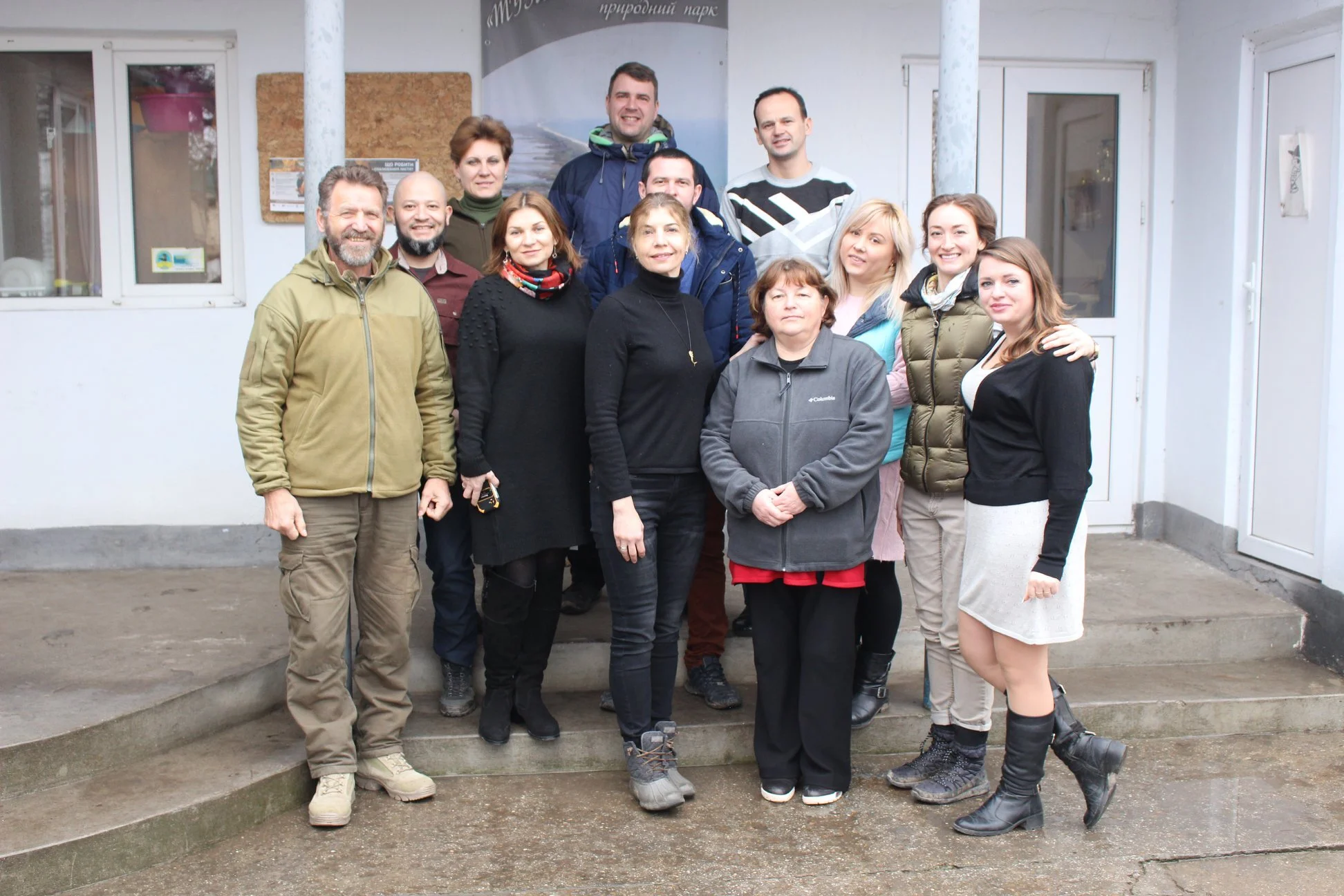
I was an international relations-turned-geography major while an undergraduate student at Syracuse University. I heard about Fulbright repeatedly over the course of my undergraduate education. I was committed to joining the Peace Corps, which I did while finishing my Master’s program. I loved my Peace Corps experience and wanted to look for a similar opportunity to train others about GIS abroad. Fulbright Ukraine happened to be looking for young professions as well as tenured professors to teach in Ukrainian universities. It was very serendipitous.
You went to Ukraine on a Fulbright Award in 2018. Can you tell us a little bit about why you decided on Ukraine as the country to do your research?
It is as simple as filtering the program options based on my profile. I was looking for programs that (1) did not require a PhD, (2) were geography-related, and (3) had a full-year term. Ukraine was the only program that fit that description for me. Geographically, I had not been further east than Germany, so I was also curious about Ukrainian culture. So, it just made sense on several fronts.
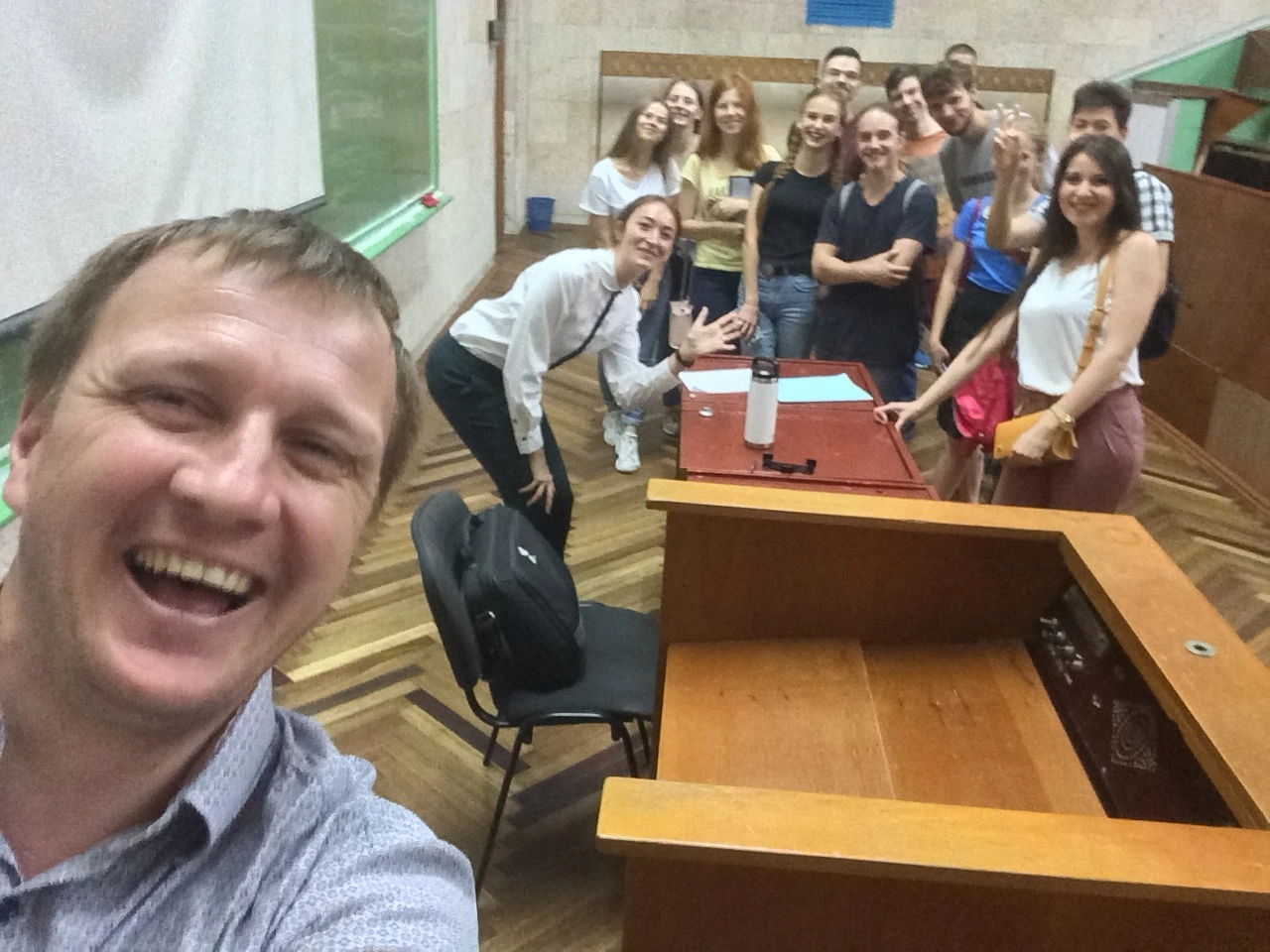
While in Ukraine, you taught land use and geographic information systems. Can you tell people who are not quite familiar with that field of study what that means, in practice, and why it is important?
The places we go every day are there because a network of people imagined them, designed them, reviewed them, and built them. The natural places that we go to are no exception: parking lots and trails are imagined, designed, reviewed, and built. Even the thought of protecting a natural space within a developed area is an integral part of this process. This is land use planning, and engineers, architects, developers, homebuilders, planners, local decision makers, and many more play critical roles throughout the process, from envisioning a project to building it. Geographic information systems are tools in that process for mapping so that we can better understand the project and its suitability for the area where it is proposed.
While in Ukraine, you mentioned being invited to a colleague's children's karate tournament as well as to participate on trips to visit natural areas of the region. What can you tell us about the “non-academic” part of your Fulbright and its impact on you?
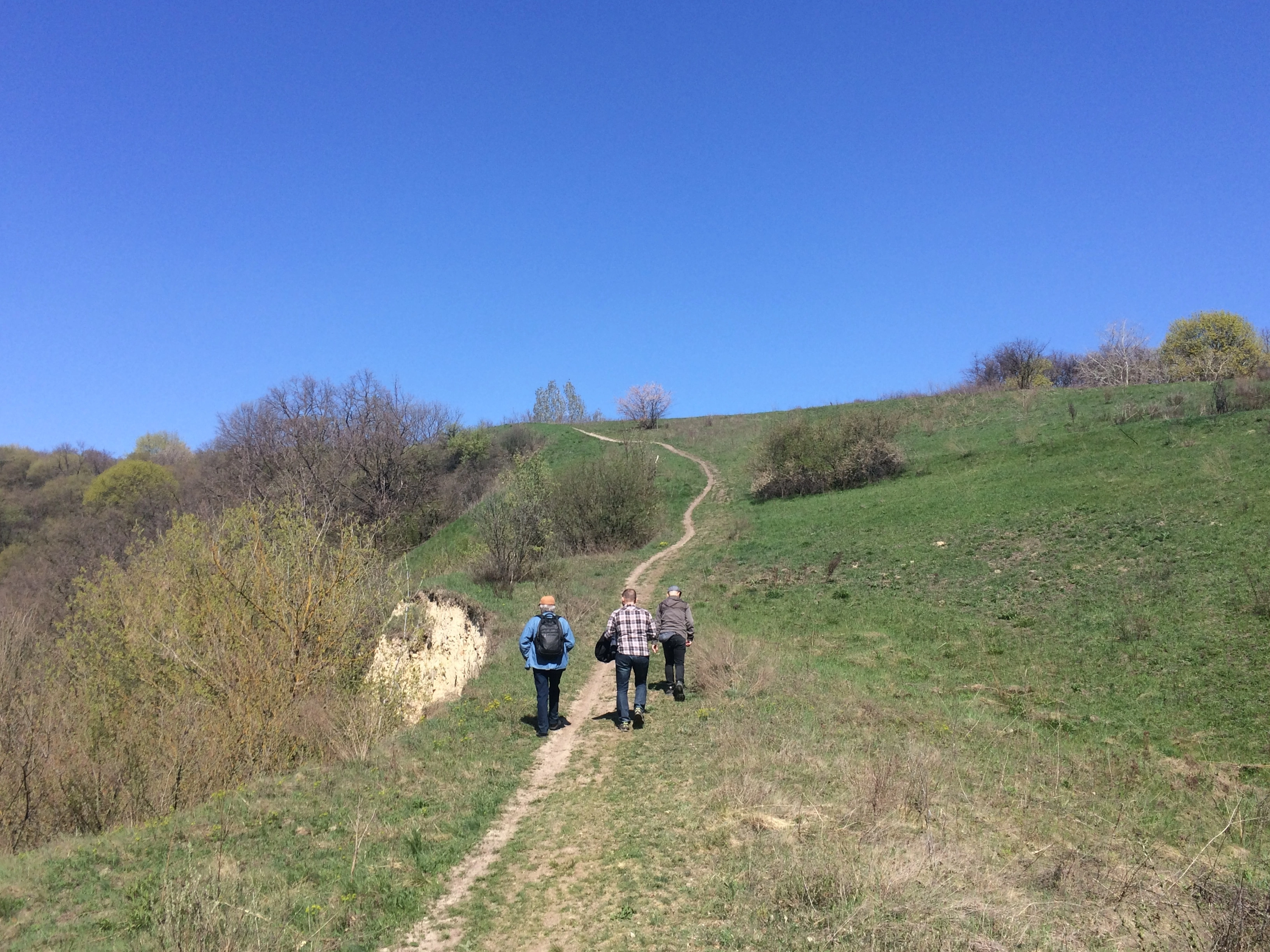
Seven years after we left Ukraine, what really sticks with me are the people I met and their kindness and hospitality. The invitations to things like a karate tournament or drag-racing competitions are more than windows into my hosts’ lives; they are invitations to be a part of them. When you sit with a colleague and watch their daughter win a karate match, you feel pride as if she were a member of your own family. An invitation to explore the region is similar in that it feels like a family picnic when colleagues bring their families, too. The thoughtfulness, trust, and generosity that goes behind that invitation speak to the best of humanity, especially when we come from different cultures but see each other for who we are. It is how I know that international relations is more than diplomatic decision-making; it includes the everyday people-to-people interactions that build an understanding of who we are and what we value as a representative of our respective cultures and societies.
As I understand, you wanted to return to Ukraine in 2022, but the war was escalating. What made you want to return under such a difficult situation?
I had a child in 2022, less than two weeks after Russia escalated the war with Ukraine. For many years following Fulbright, my partner and I had conversations about returning to Ukraine to live indefinitely. In 2022, we thought about how wonderful it would be to bring our daughter to Ukraine, a place where we felt so at home and welcome. The escalation made us think twice for the safety of our child. We had to shift focus to advocacy. Now, the invasion is the same age as my daughter, 4.5. As I see her grow into a preschooler, I can see the passing of time in a very tangible way. A Ukrainian friend of ours also had a daughter around that time, and, as you can imagine, their childhoods have been very different. In all our travels to date, we still feel called to Ukraine and hope to go back soon.
You are currently working with colleagues at the National University of Water and Environmental Engineering (NUWEE) in Ukraine to create a partnership between their students and your current university, as well as your network in the U.S. What is your end goal with this project?
Doing Fulbright as a young profession meant that I did not have the resources of a backing institution to build a sustaining professional relationship outside of the personal realm. I kept in contact with colleagues, and when I decided to return to school to study law, immediately, I thought, “How can I link the law school’s resources with NUWEE in a meaningful way?” I met with the Rector for NUWEE to discuss opportunities to collaborate, and he was interested in pursuing the possibilities further. I am two weeks into law school at Maine Law and making the necessary connections to set up a panel discussion, which I hope can turn into a stronger, long-lasting relationship between the two institutions.
You have also been a volunteer with the Peace Corps in Mexico. Can you tell us a little bit more about that experience and what it has taught you?
My Peace Corps experience in Mexico was liminal to me in many ways. I stepped out of higher education (as a student) and into the world of a practitioner. I stepped out of the study-abroad and travel-abroad spheres and into the indefinite living-abroad sphere. I stepped out of naïveté and into an awareness of the complexities around international development. I stepped away from my support system and into a host family and community that I loved so much and which gave me so much, particularly my husband and life partner. I learned so much at the threshold of all these transitions: about myself, about Mexico, and about my field of interest. My biggest takeaway is similar to that of Fulbright: the trust and relationships we build with our hosts and colleagues are the crux of our international relations efforts, in my opinion.
You are now aiming to become an attorney. What do you think has led you to that decision, after completing a Master of Science in Environmental Science?
I have had to answer this question 8,432 times in the past month, and my answer changes slightly every time but has the same core elements. First, personally, my family and I were at a point of transition in our housing and professional lives, so we were looking at what our next stage would be. Second, I have wanted to go to law school for a long time, but outside factors led me to postpone those plans for many years. Third, the timing was right for my daughter to enter preschool as I entered law school. Lastly, professionally, I enjoy the challenges of land use planning and wanted to “level up” in that sphere and realign with my environmental science background. I hope to, ultimately, land in a high-impact decision-making agency where I can influence policy and land use decisions that impact communities and the environment.
What is your favorite thing about Ukraine?
Some of my previous answers foreshadow this response: the people. I could endlessly list all the things I love about Ukraine—and if asked, will gladly oblige. Ultimately, all of those things orbit the people with whom I experienced them. I had limited exposure to Ukrainian culture growing up, so when I got to Ukraine, everything was new and unfamiliar. Over 10 months, the interactions with the grocery store staff, patrons at the library, our landlady and her daughter, my colleagues and their families, and so on filled our spirits with joy even when we struggled to communicate. We were always met with patience, kindness, and generosity that has stuck with us. Ukrainians are profoundly proud of their country and heritage, and, after only 10 months, so were we, and we continue to be.
What would you say to someone considering applying for a Fulbright Award abroad?
Lucky you! There are only so many opportunities to work in an international exchange environment that is as grassroots as Fulbright. I find myself longing to relive those years, again and again. If you are considering applying, what a wonderful place to be! My responses have all been positive because my experience was overwhelmingly positive. However, that is not to say that there are no challenges because there are, as you will find out if you don’t speak the language fluently and need to order a kilo of chicken breast. Embrace the unknown, apply, and find the people who want to invite you into their worlds. You won’t regret it.