
Farhan Saeed Vakani on How Fulbright Shaped His Leadership Journey
Beyond the Scholarship: How Fulbright Shaped My Leadership Journey
Article written by Fulbrighter Farhan Saeed Vakani, Professor & Rector, Sindh Institute of Medical Sciences, SIUT, Pakistan.
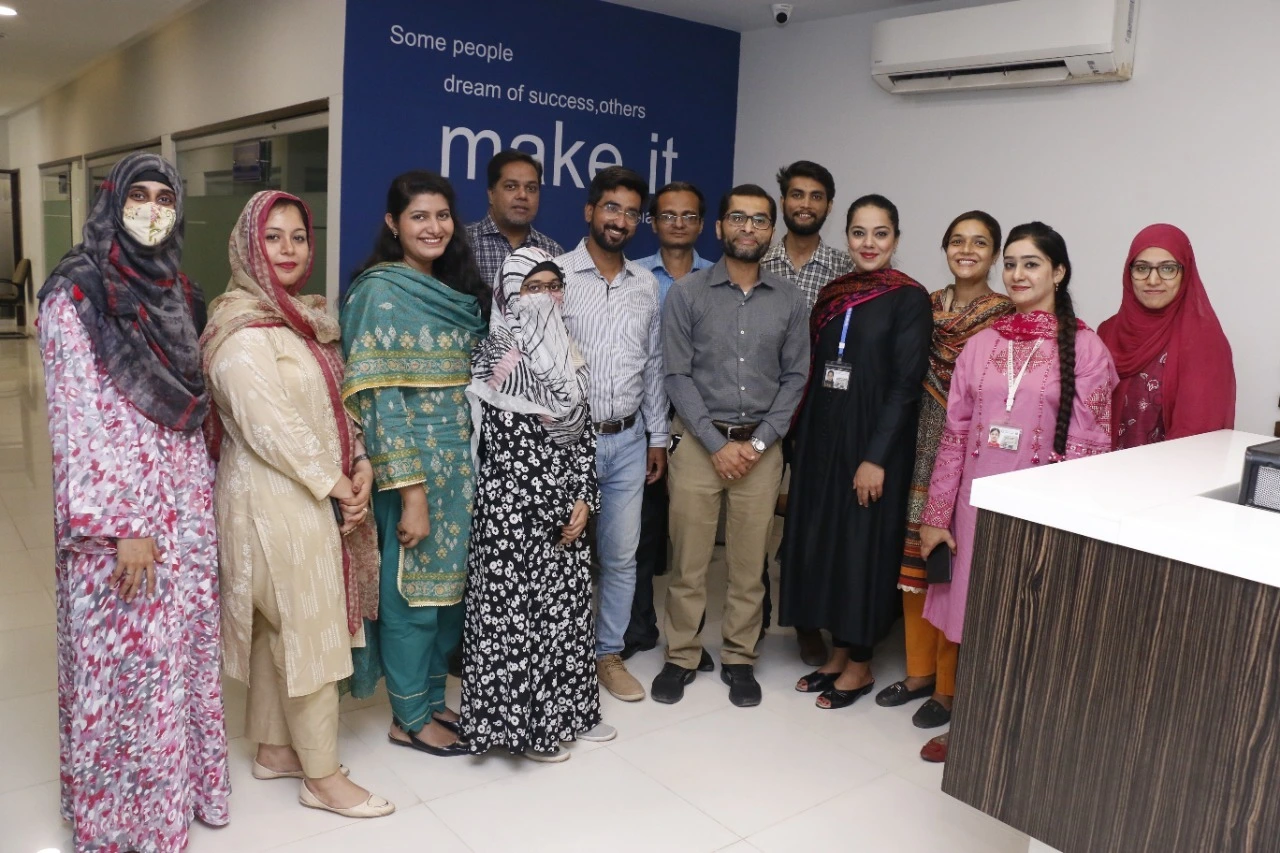
"You never know where your path will lead—God always has better plans."
When I boarded my flight to the United States as a Fulbright Scholar in 2014, I believed I knew exactly where my career was heading. My ambition was clear: to strengthen continuing professional development for health professionals in Pakistan and contribute to improving medical education through policy, planning, and management.
Looking back today, as Rector of the Sindh Institute of Medical Sciences (SIMS), I realise that Fulbright did something far greater than helping me achieve my original goal. It transformed the way I think, lead, and serve. It prepared me for responsibilities I could never have anticipated and taught me that leadership is not about titles—it is about creating opportunities for others to grow.
.
Before Fulbright, my academic and professional training had centred on health professions education, educational management, and policy development. I was passionate about improving professional learning systems and dreamed of building sustainable educational frameworks that would benefit healthcare professionals across Pakistan. Those aspirations motivated me to apply for the Fulbright Program with a focus on Educational Planning, Policy, and Administration.
Receiving the award from the U.S. Department of State marked the beginning of one of the most transformative experiences of my life.
At Peabody College of Education in Nashville, I entered a learning environment unlike anything I had experienced before. My classmates represented diverse educational backgrounds, many working in K–12 education rather than higher education or medicine. Initially, I questioned how these experiences could relate to my work in medical education.
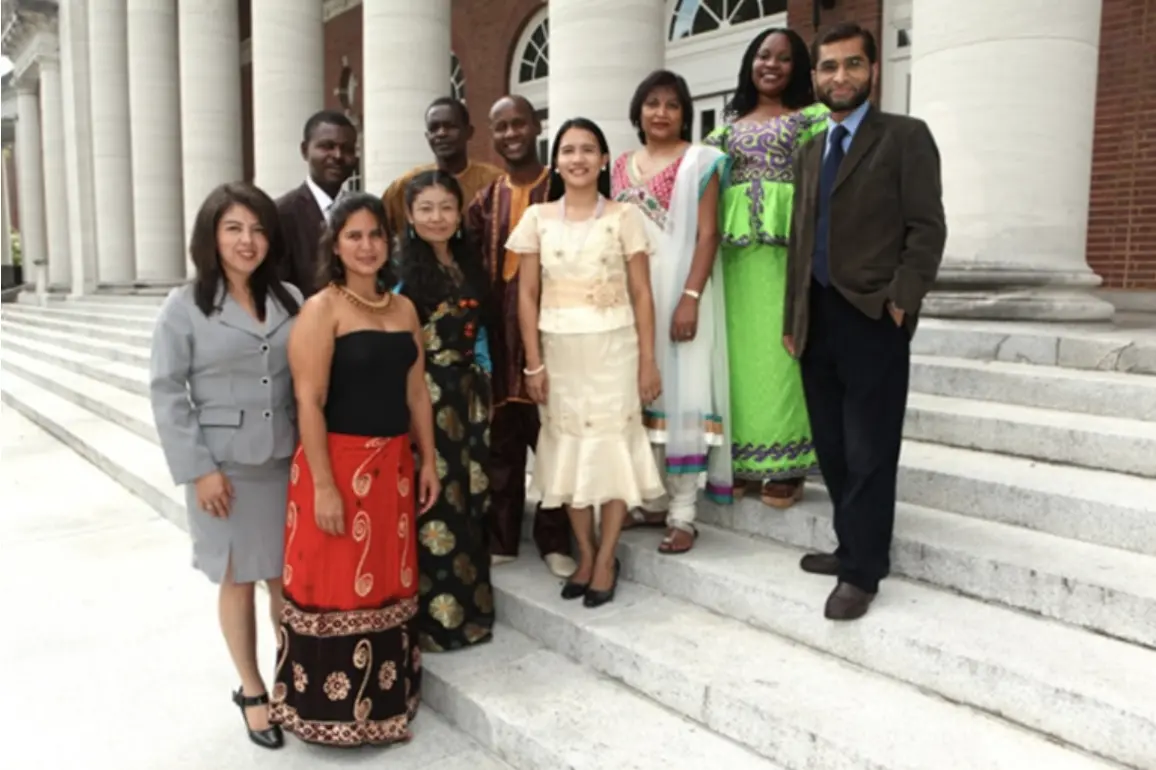 Peabody College of Education & Human Development, Vanderbilt University, Nashville, Tennessee 2014
Gradually, however, I began to appreciate something profoundly important: although educational settings differ, the principles of learning, leadership, collaboration, and human development remain remarkably similar. The experience challenged my assumptions and encouraged me to think beyond disciplinary boundaries. It taught me that innovation often emerges when we are willing to learn from people whose experiences differ from our own.
Fulbright also opened doors far beyond the classroom. Through the Office of Professional Development of the Vanderbilt University Medical Centre, the University of Louisville, the University of Alabama at Birmingham, and the American Nurses Credentialing Centre, I gained practical insights into leadership, organisational development, faculty development, accreditation, and lifelong learning. More importantly, I observed leadership cultures built on respect, humility, teamwork, and shared purpose.
Those lessons remained with me long after I returned home.
Back in Pakistan, I joined the Pakistan Medical and Dental Council as Senior Manager for Continuing Medical Education and Professional Development. There, I had the privilege of contributing to the development of Pakistan's national framework for continuing professional development for health professionals. The policy work was technically demanding, but Fulbright had prepared me to think systemically—to understand that sustainable educational reform requires collaboration, consultation, and stakeholder engagement rather than regulation alone.
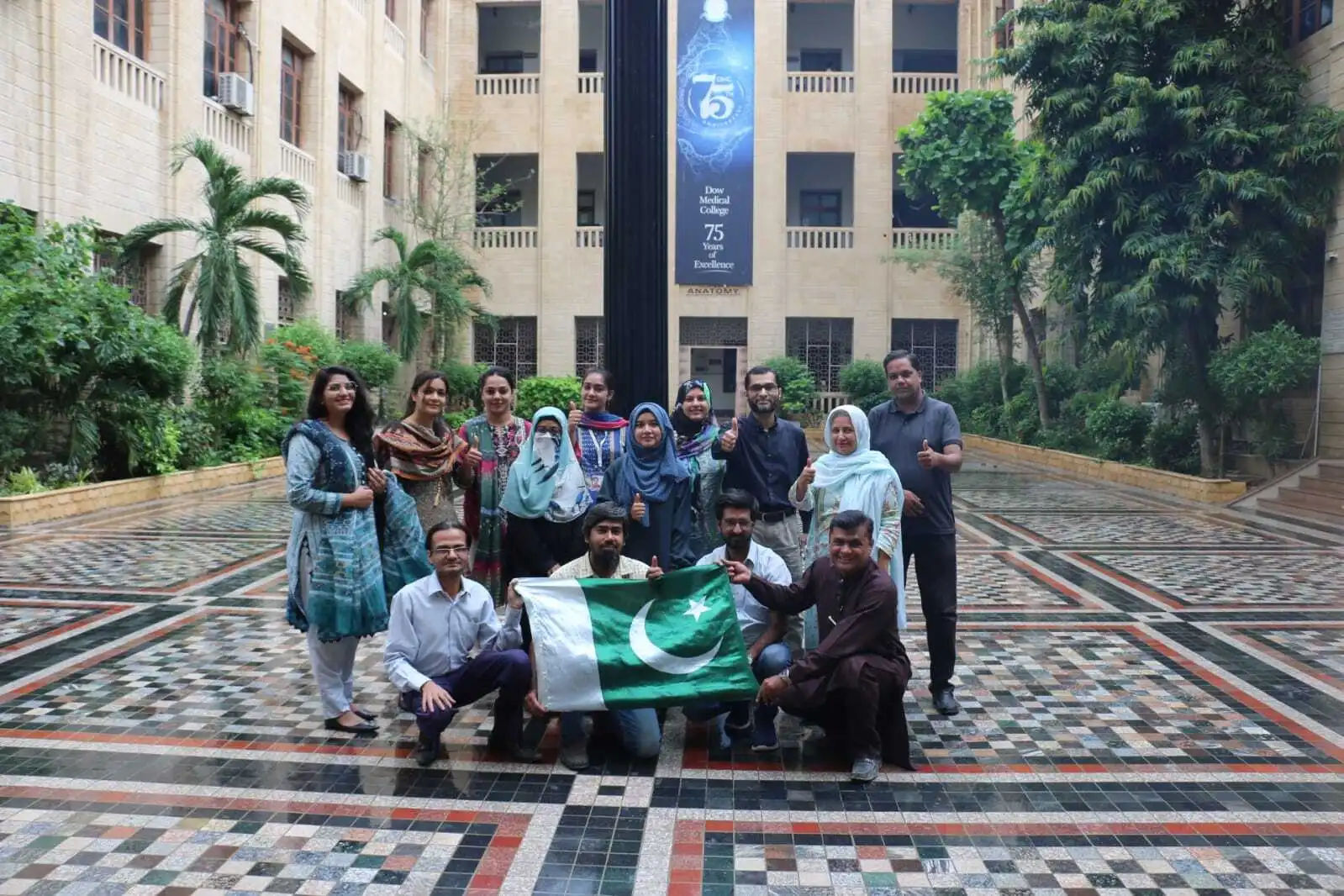 Dow Institute of Health Professionals Education (General Education Faculty), Dow University of Health Sciences
Soon afterwards, another opportunity unexpectedly changed the direction of my career. Dow University of Health Sciences invited me to lead its newly established General Education Program, an ambitious initiative designed to integrate humanities and social sciences into undergraduate health professions education. At first, the appointment seemed far removed from my previous work. I had built my career around continuing professional development, not humanities education. Only later did I realise that Fulbright had quietly prepared me for exactly this challenge.
The interdisciplinary environment at Peabody had shown me the value of diverse perspectives. I had witnessed educators from different disciplines working together with mutual respect despite their differences. Those experiences became the blueprint for our work at Dow. Together with an exceptional team of humanities and social sciences educators, we began building bridges between disciplines that had traditionally worked in isolation. We faced understandable resistance from some faculty members who questioned the role of humanities within medical education. Change was never easy. It required patience, careful listening, respectful dialogue, and the willingness to earn trust before seeking agreement.
Rather than responding to scepticism with confrontation, we relied on collaboration. We demonstrated how communication, ethics, empathy, professionalism, critical thinking, and social responsibility are not peripheral competencies but essential attributes of competent healthcare professionals. Over time, perspectives changed. Conversations became partnerships, and partnerships became institutional change.
Looking back, I now recognise that Fulbright was teaching me far more than educational theory. It was developing competencies that have shaped every leadership role I have undertaken since then: strategic thinking, systems leadership, interdisciplinary collaboration, change management, cultural humility, stakeholder engagement, and the ability to build trust across diverse communities.
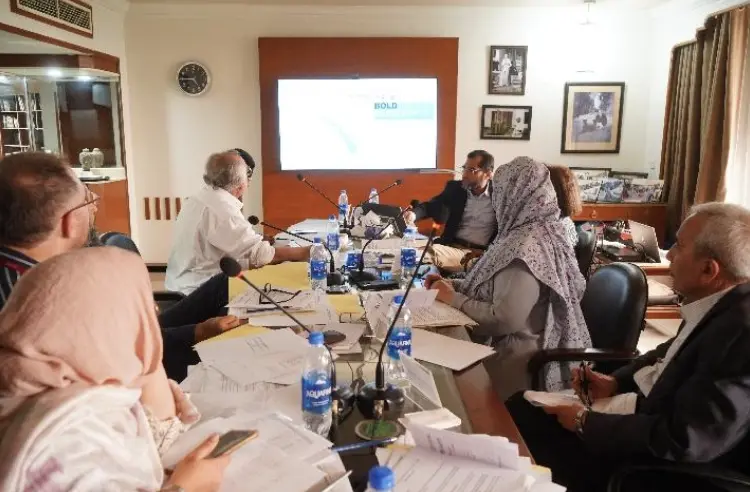 Sindh Institute of Health Sciences, SIUT 2026, Convening Board of Governors Meeting
These competencies continue to guide me today as Rector of the Sindh Institute of Medical Sciences. Every day, I draw upon lessons first cultivated during my Fulbright experience—bringing together clinicians, educators, researchers, administrators, and policymakers around a shared vision of educational excellence. Whether leading institutional or instructional reforms, strengthening academic quality, supporting faculty development, or creating environments where students can flourish, I find myself returning to the same principles I first experienced in the United States: humility, service, collaboration, inclusion, and lifelong learning.
Fulbright did not simply change my career trajectory; it changed my philosophy of leadership. It taught me that effective leaders do not merely manage institutions—they cultivate people, nurture partnerships, and create cultures where innovation can thrive. Perhaps that is Fulbright's greatest impact. Its influence does not end when scholars return home. Instead, it continues to ripple outward through every institution they strengthen, every colleague they mentor, every student they inspire, and every community they serve.
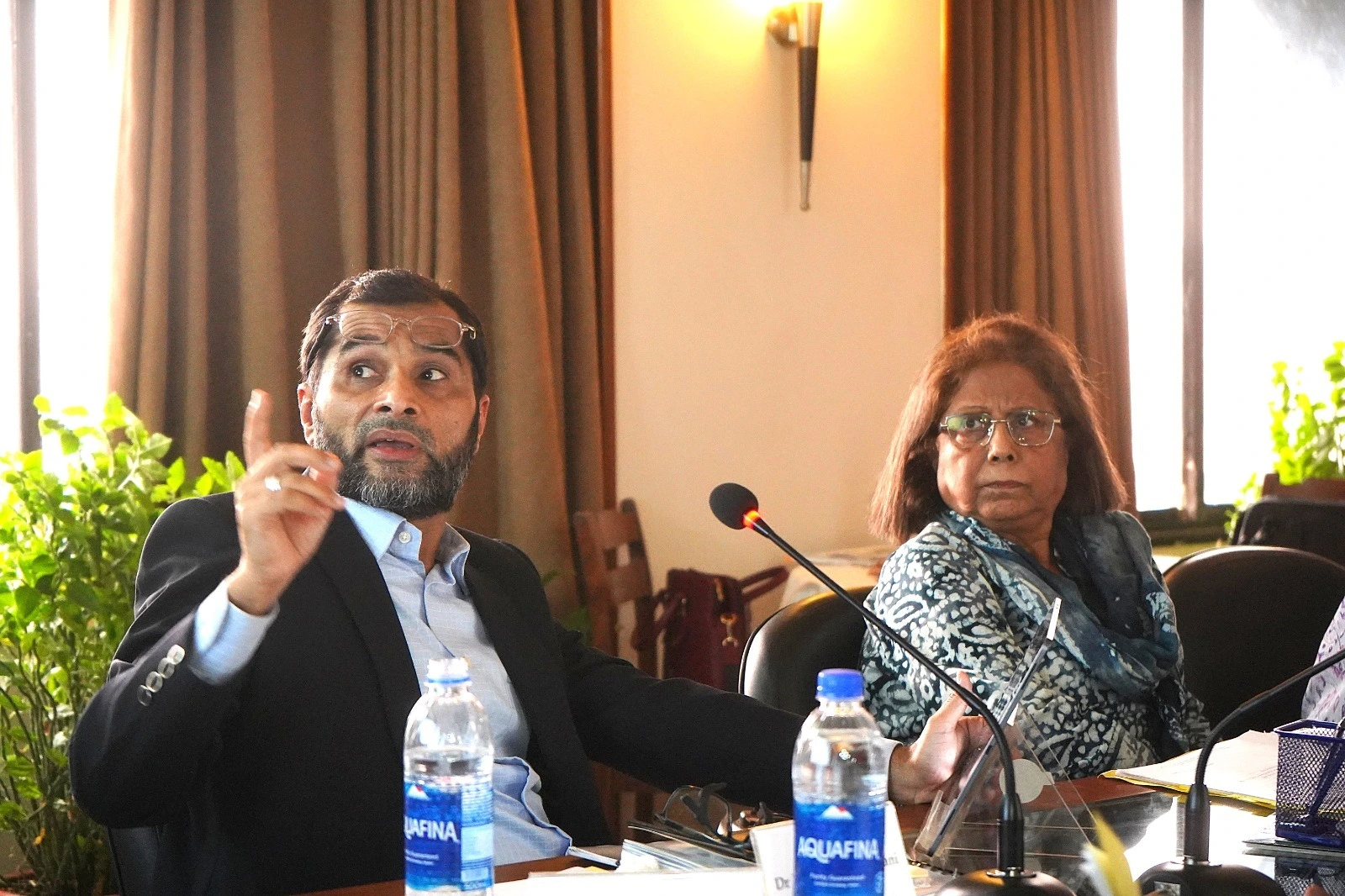
Looking back, I now understand that Fulbright was never simply a scholarship. It was a bridge—between cultures, disciplines, professions, and possibilities. It connected the person I was with the leader I have become. Indeed, you never know where your path will lead. With faith, perseverance, and a willingness to embrace unexpected opportunities, God often leads us exactly where we are meant to serve.
Today, when I look back on my Fulbright journey, I see it as the beginning of a lifelong commitment to educational leadership, collaboration, and service. The lessons I learned continue to shape every institution I have the privilege to serve and every learner, colleague, and community whose path intersects with mine. That, to me, is the true impact of Fulbright.