
Snapshots presents Isabel Hawkins (Fulbright Guatemala, New Zealand, Peru) on her research project The Pleiades Experience
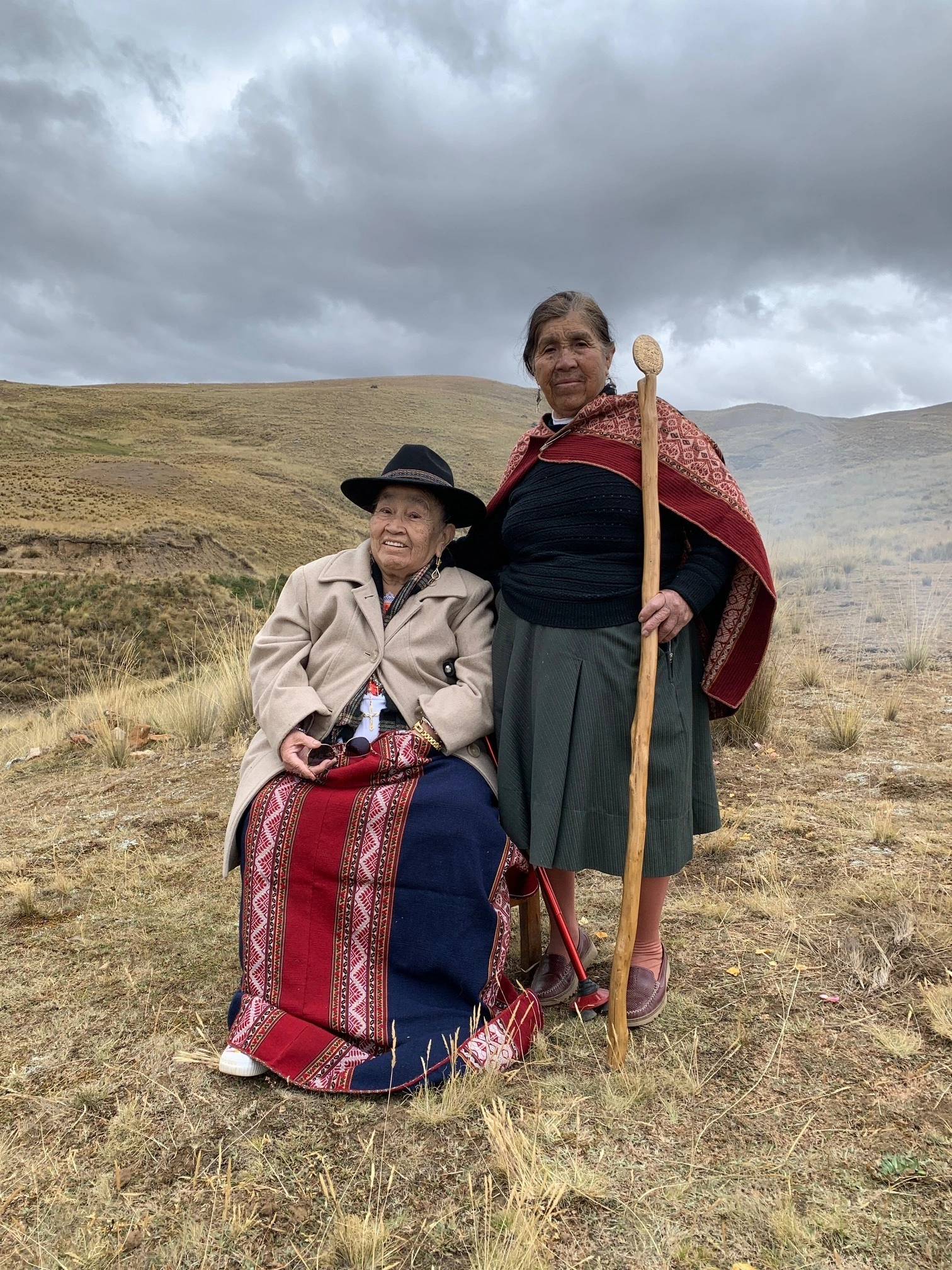
Being able to observe the stars to feed ourselves and our communities is a human right worthy of preservation and balanced evolution.
Can you tell us about your recent experiences with the communities in Chawaytire, Cusco Region of Perú?
Chawaytiri is one of twelve traditional agricultural communities of the District of Pisac, Cusco Region, Perú. In the village, a few hundred multigenerational families work collaboratively and thrive in a beautiful, harsh, and remote landscape at an altitude of 12,300 feet above sea level. The community manages more than 1500 varieties of native potatoes and other tubers, as well as herds of two types of domesticated camelids—llamas and alpacas. The men focus on agricultural activities while the women own and care for the herds of camelids and manage the family’s food storage and sharing with the community.
Twenty traditional farmers led by Rosita and Lucio hosted me and a group of Indigenous colleagues and friends from the Yucatan, Mexico, the highlands of Guatemala, and New Mexico, U.S., who travelled to this remote mountainous area to share knowledge about food sovereignty and the connection between native foods and the stars. Many traditional Indigenous farming communities in the Andes and other regions of the world still observe the Pleiades star cluster for determining their agricultural calendar and to make meteorological observations.
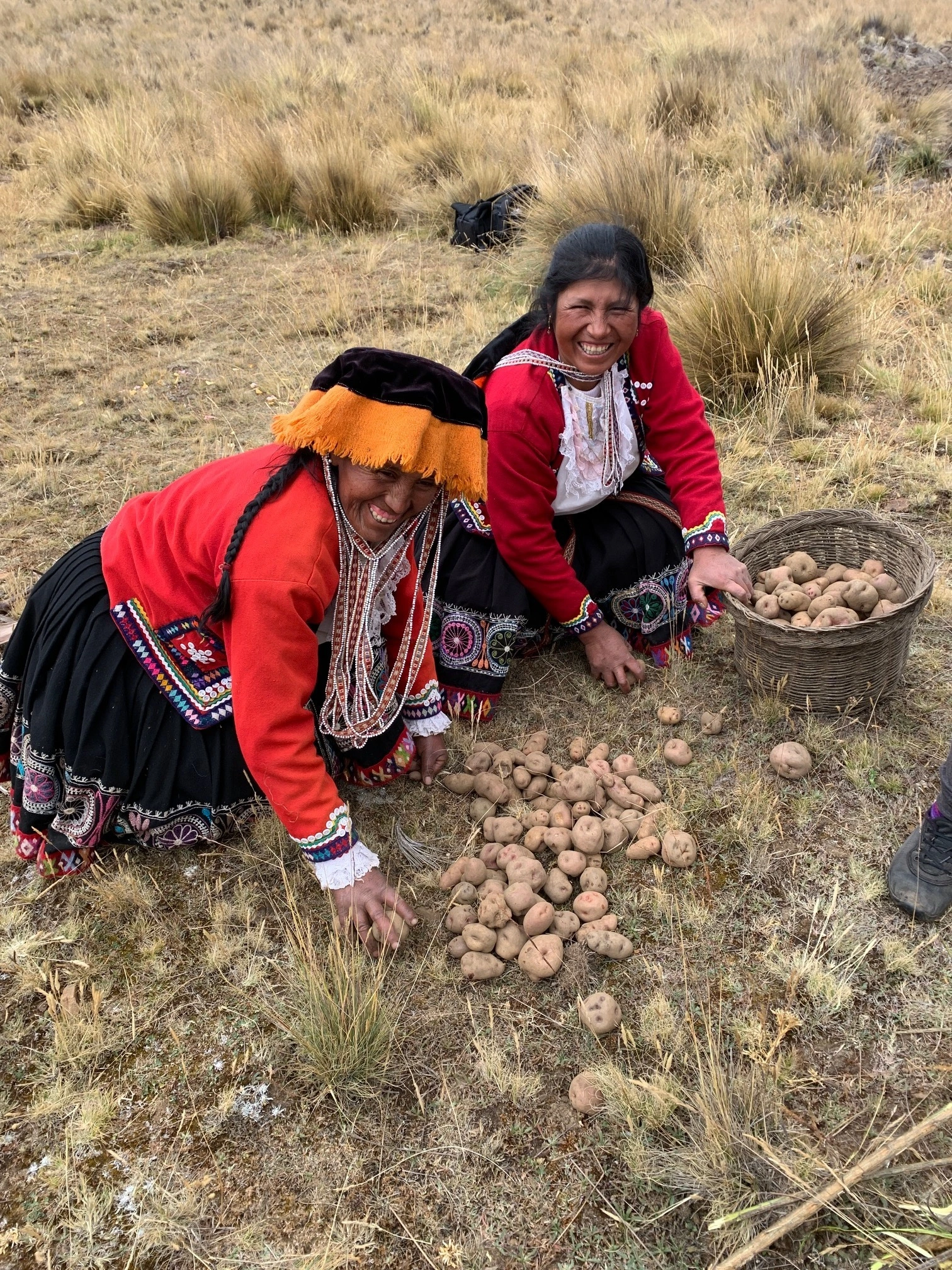
The Quechua elders offered a ceremony of gratitude and reciprocity to Pachamama and the Apus—local mountain deities. While the spirits were being fed, our own food of roasted cuy (guinea pig) and potato was cooked under piles of earth-bricks on a bed of embers and hot rocks. The feast was complemented by the most exquisite quinoa soup I ever tasted. Our meal was prepared and served in the wide-open potato field. After the hearty and delicious lunch, we helped the farmers harvest their purple potato crop and shared knowledge about the Pleiades, which they call Qoto (grouping) or Qolqa (granary).
Could you tell us about the value of your experiences with Fulbright working on the 7adelfes research project?
The Fulbright fellowship allowed me and Indigenous colleagues to gather in Guatemala, New Zealand, and Peru to share knowledge that has been curated for generations in relationship with the land and the sky. This knowledge can provide valuable lessons of sustainability and nourish our human ability to live in concert with nature. Being able to observe the stars to feed ourselves and our communities is a human right worthy of preservation and balanced evolution.
What is your most treasured possession?
A huipil textile woven on the backstrap loom by Amusgo women from Xochistlahuaca, Guerrero, Mexico. I love it because it is soft. I treasure it because the women made it from hand-spun native cotton thread of four natural fiber colors—beige, brown, white, and green. Yup! Green.
About Isabel
I am an astronomer at the Exploratorium science museum in San Francisco, CA. I am a Fulbright US Global Scholar 2018-2019, and my project “The Pleiades Experience” is weaving cultural and scientific knowledge of the Pleiades star cluster in three regions: Polynesia, Mesoamerica, and the Andes (7adelfes.org). I am dedicated to strengthening the cultural roots of science through international collaborations among Indigenous Knowledge Holders and Western Scientists. I have a Ph.D. in astrophysics from UCLA and worked for twenty years as a research scientist on several NASA satellite missions at UC Berkeley before shifting my career to focus on cross-cultural education at the Exploratorium.