Kayla Alexander on food, language and the cookbook that binds it together
Article written by Fulbrighter Kayla Alexander
For me, food and language have always been intertwined. I remember learning to roll my Rs
while working at a Mexican restaurant, my coworkers coaching me during breaks as we split leftover quesadillas. To this day, the word ferrocarril makes me smile and crave the crunch of a toasted tortilla! There’s something about a shared meal that brings people together in the same way a shared language does. My Fulbright year in Galicia, Spain, led me to consider this more deeply, resulting in a project equal parts linguistic and culinary: a multilingual cookbook celebrating the region’s collective but diverse sweet tooth.
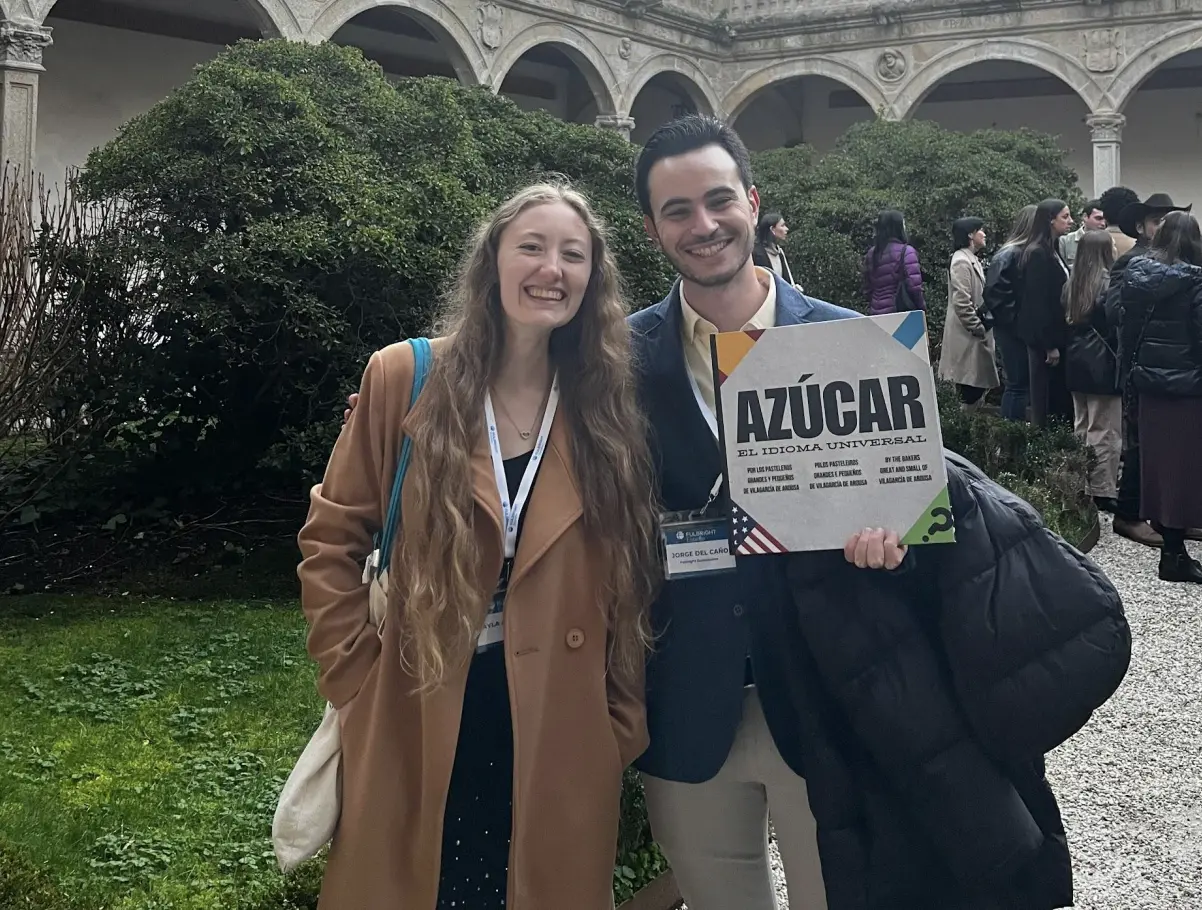
I was the only Fulbright scholar placed in Vilagarcía de Arousa, a coastal town best known for a festival where residents soak passers-by with water. Although I arrived too late for that tradition, I experienced many others, from eating 12 grapes for good luck on Nochevieja to marching with my French horn in the Santa Rita procession. It was during these festivities that I first encountered desserts like tarta de Santiago (almond cake) and filloas (Galician crepes). I began to notice the way people gathered around the dessert tables at these events, lingering on their last bites and swapping secret ingredients. That’s where inspiration struck!
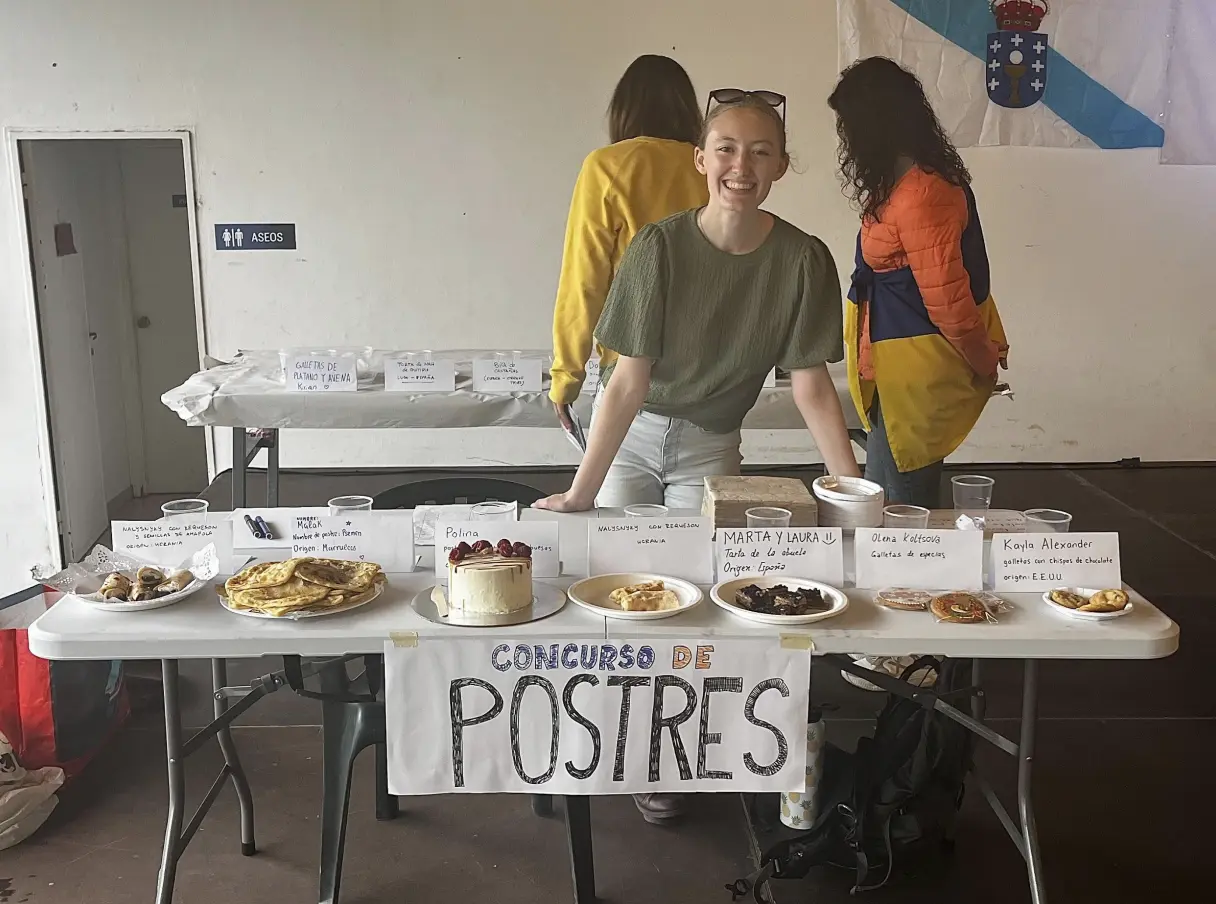
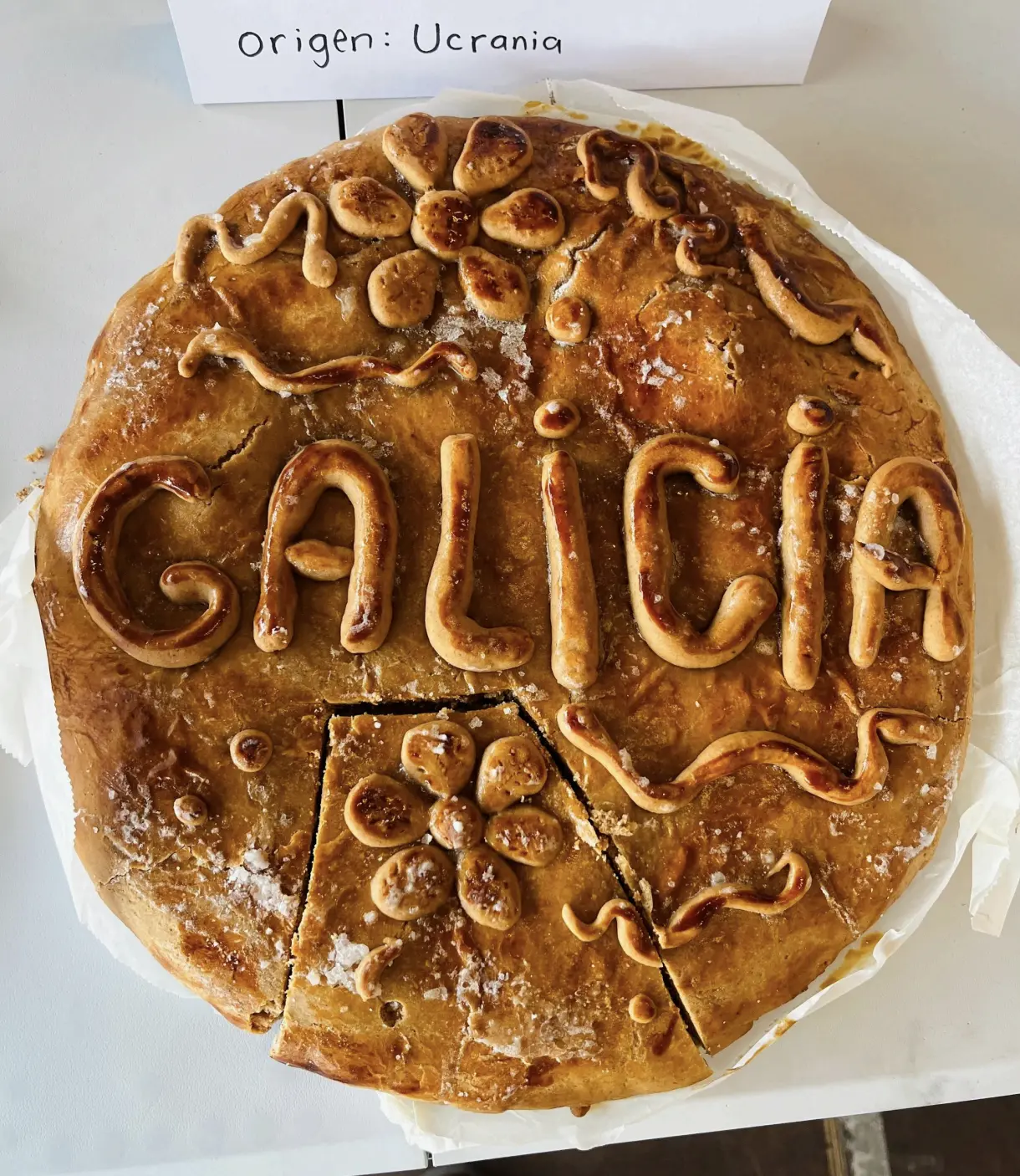
I decided to host a community dessert competition, partnering with a youth organization and Ukrainian refugee group. I wanted to feature residents of all ages and cultural backgrounds: the only requirement was to share their recipe! When it started, there were only two entries, and I feared I had misjudged interest. But soon a bus arrived, and with it, a crowd carrying platters of sweets! In total, there were 22 dessert entries and over 60 attendees. I spent the evening tasting desserts, recording participants’ stories, and counting votes. The winners of the competition were a Ukrainian woman and one of my very own students. I went home with a full stomach and a clipboard packed with recipes and anecdotes to be shared.
The most challenging part of the cookbook was the linguistic component. Recipes came in many different languages, and I didn’t want to create separate translations, since that felt contradictory to my unifying purpose. So, working with friends, coworkers, and my Galician language class, I translated all the recipes into English, Spanish, and Galician, establishing a pictorial code that, combined with language-specific ingredient lists, was legible by speakers of all three groups.
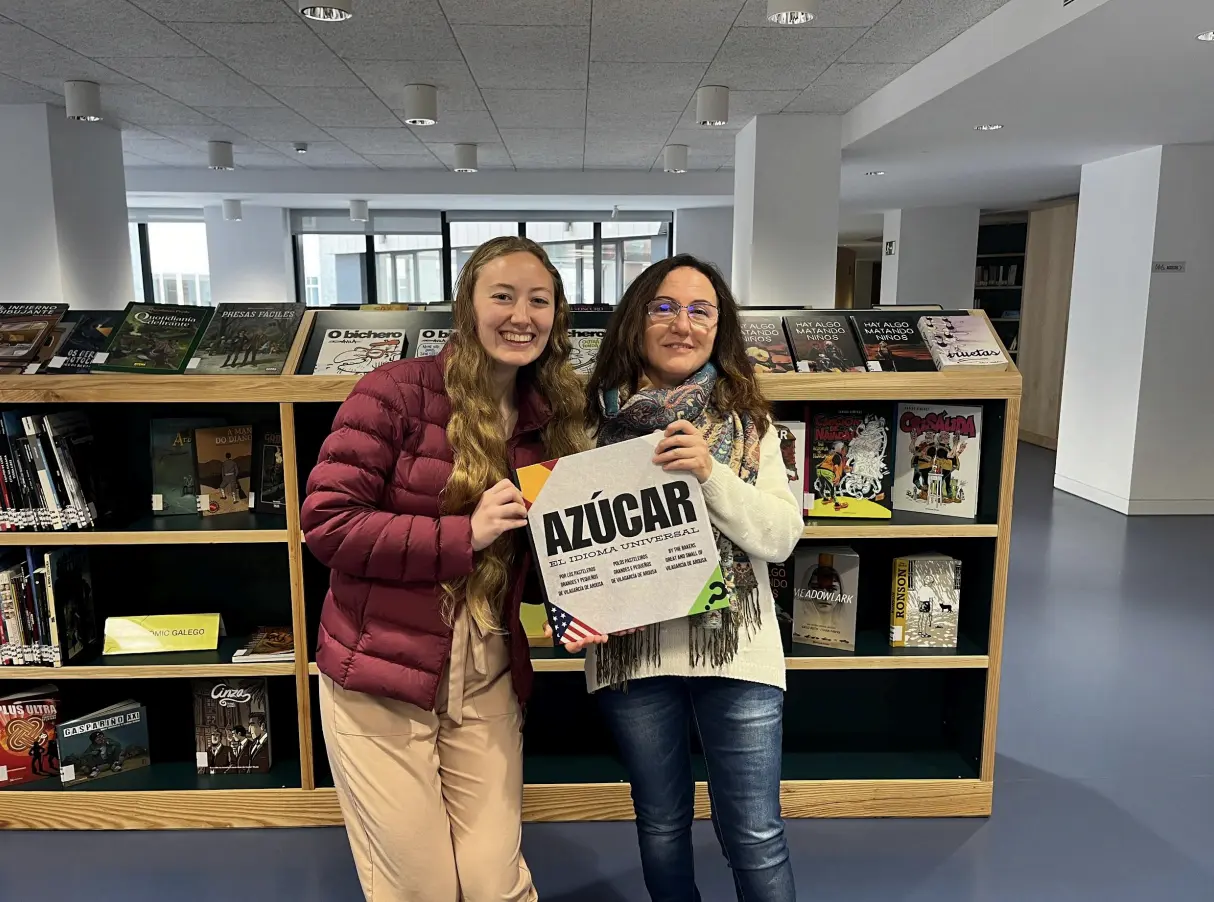
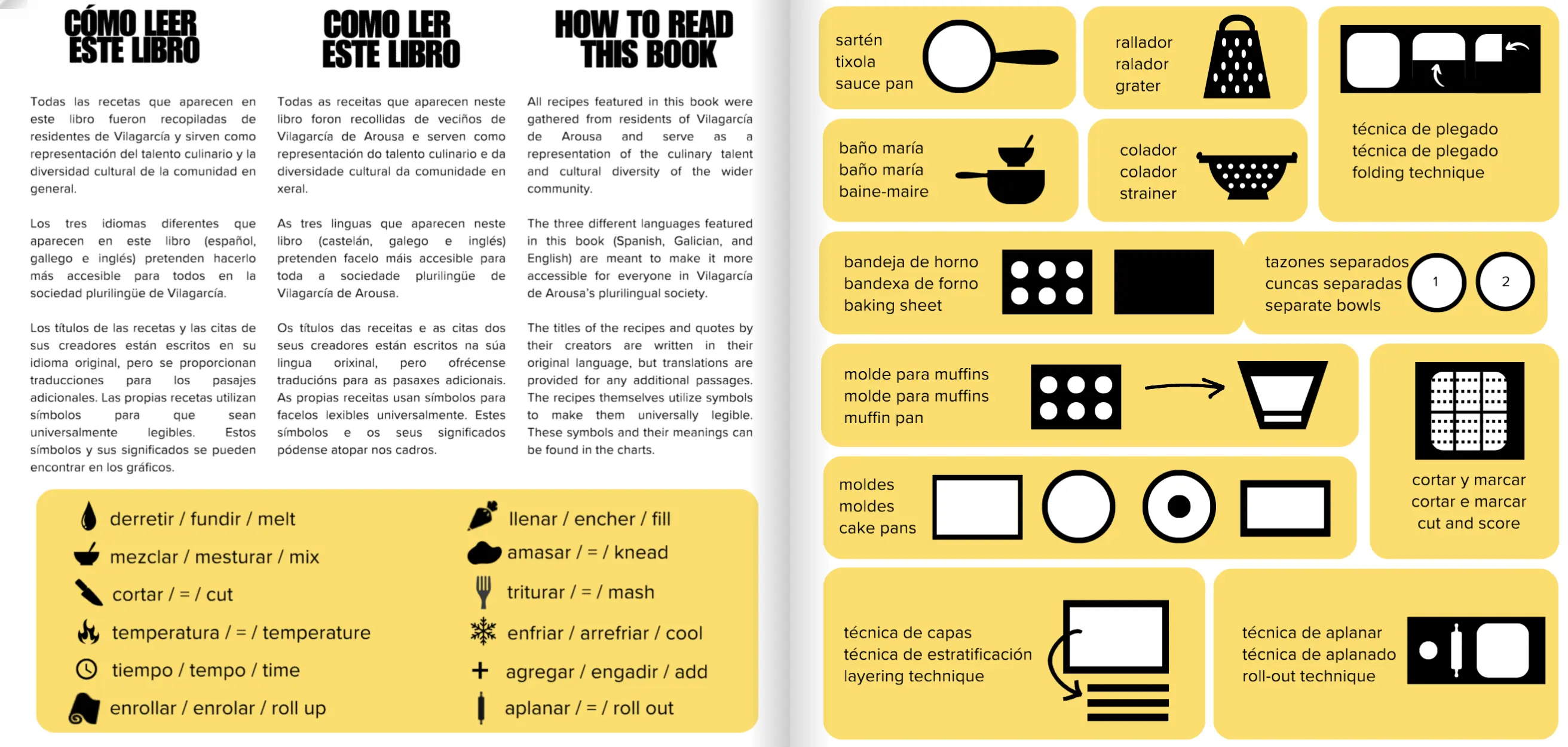
For languages like Ukrainian, I kept original titles and quotes, offering translations in an appendix. The result was Azúcar: El Idioma Universal (Sugar: The Universal Language). I published the book online and printed copies for local community centers, including my placement school and the library I had visited almost every week since my arrival in Spain. Of everything I brought home from my Fulbright year, that cookbook remains my most meaningful souvenir — a lasting reminder of how language and food united my community!
You can access the cookbook for free here.