
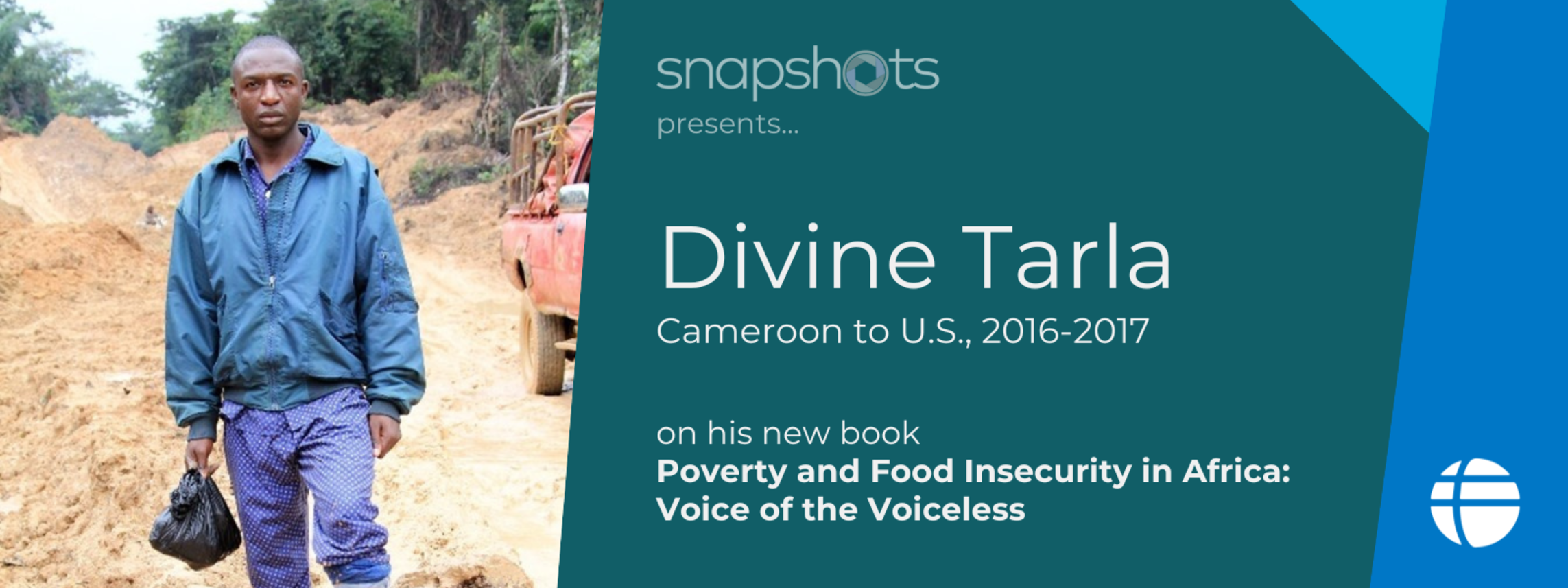
Snapshots presents Divine Tarla on 'Poverty and Food Insecurity in Africa: Voice of the Voiceless'
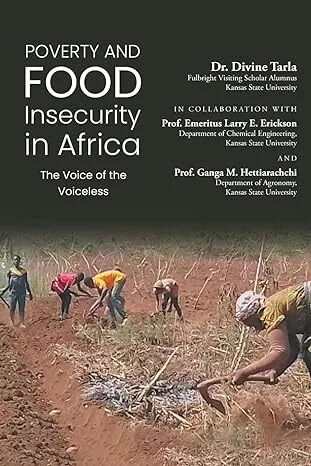
"the book shares firsthand experiences of struggle and success, shedding light on the challenges African children face, particularly in securing basic needs like food."
Could you tell us more about your new book Poverty and Food Insecurity in Africa: Voice of the Voiceless?
The new book I released reflects the typical experiences of a Cameroonian of my age, detailing life before and after the economic crisis of the late 1980s. My parents, successful farmers, faced hardships due to the devaluation of currency, which led to the abandonment of cash crops like coffee. This economic strain made it difficult for families, like mine, to afford education. Titled "Voice of the Voiceless," the book shares firsthand experiences of struggle and success, shedding light on the challenges African children face, particularly in securing basic needs like food. It emphasizes the importance of understanding these experiences to offer meaningful assistance. The narrative underscores the struggle to pay for education and the significance of orphan crops in African diets, despite their limited research and mechanization.
As a researcher with expertise in agriculture and pesticides, can you share any more about how you came to write Poverty and Food Insecurity in Africa?
For more than a decade, I have taught courses in agriculture, with a particular emphasis on pesticides in connection to second-generation agriculture. As a Fulbright alumnus, I address pressing issues in my society beyond my area of research. I have read many good books on poverty, such as "When Helping Hurts" and "Demons of Poverty." Though these books are written with very good intentions and provide excellent examples, they sometimes lack the perspective of someone who has experienced poverty firsthand. This African proverb summarizes the raison d'être of my book: Until the lions have their own historians, the history of the hunt will always glorify the hunter.
How have your experiences as a Fulbrighter influenced this book?
First and foremost, I would like to thank Professor Larry Ericsson for covering the handling charges for this book to be available online. He was my Faculty Associate during my Fulbright program at Kansas State University (KSU). KSU is like a family to me; Professor Erickson, a father, and Manhattan, KS, is home. The opportunity to interact with many people during formal and informal meetings during my Fulbright stay helped me understand how the world perceives Africa. It has also aided me in writing this book, which shares African experiences with the world.
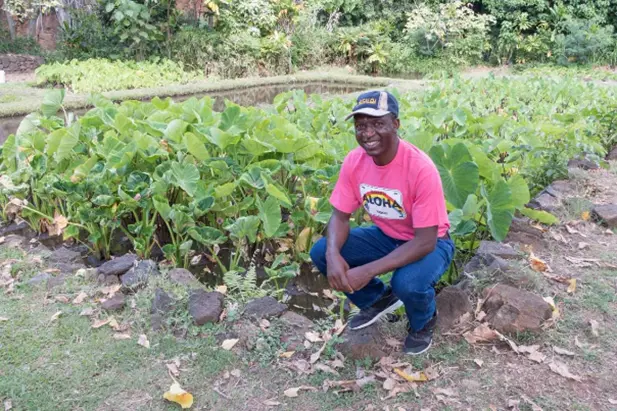
About Divine
Dr. Divine Tarla, was a Fulbright Scholar in Kansas State University in 2016. During the program, he traveled to twenty-two states, visiting national parks and museums, as well as giving lectures/talks in seminars and conferences from Fairbanks, Alaska, to Honolulu, Hawaii, to San Diego, California, to Washington, DC. Through formal and informal events, he spoke about his country, Cameroon, and his professional experiences in research and teaching while learning various aspects of the American way of life.
He returned to the University of Dschang, Cameroon, where he has continued his career in teaching and conducting research in agriculture and rural development for over two years. He is passionate about fighting poverty and food insecurity as part of his service to humanity. You can follow him on Facebook (Divine Tarla), LinkedIn (Divine Tarla), or Twitter (@DivineTarla).
Purchase Poverty and Food Insecurity in Africa: Voice of the Voiceless