
Henrijs Kalkis On His Journey to Advance Human Factors and the Ergonomics Field
Article written by Fulbrighter Henrijs Kalkis.
As a Latvian research scholar, I stand at the intersection of tradition and innovation, as I build upon the pioneering work of my father, prof. Valdis Kalkis, who introduced the scientific field of occupational health and safety and ergonomics to Latvia.
I did my Fulbright Award at Pennsylvania State University in 2014 - 2015 and the experience marked a new chapter in cross-Atlantic collaboration, research excellence, and global leadership impact for me.
I am one of the founders of the Latvian Ergonomics Society and a leader of the Ergonomics and Human Factors field in Latvia. I went to study at Penn State’s Department of Industrial and Manufacturing Engineering, where I was mentored by the esteemed ergonomics professor Dr. Andris Freivalds. Together, we took on the research of examining ergonomic stress indicators in contemporary socio-technical working environments, with a special focus on the “Human-Machine-Environment” system.
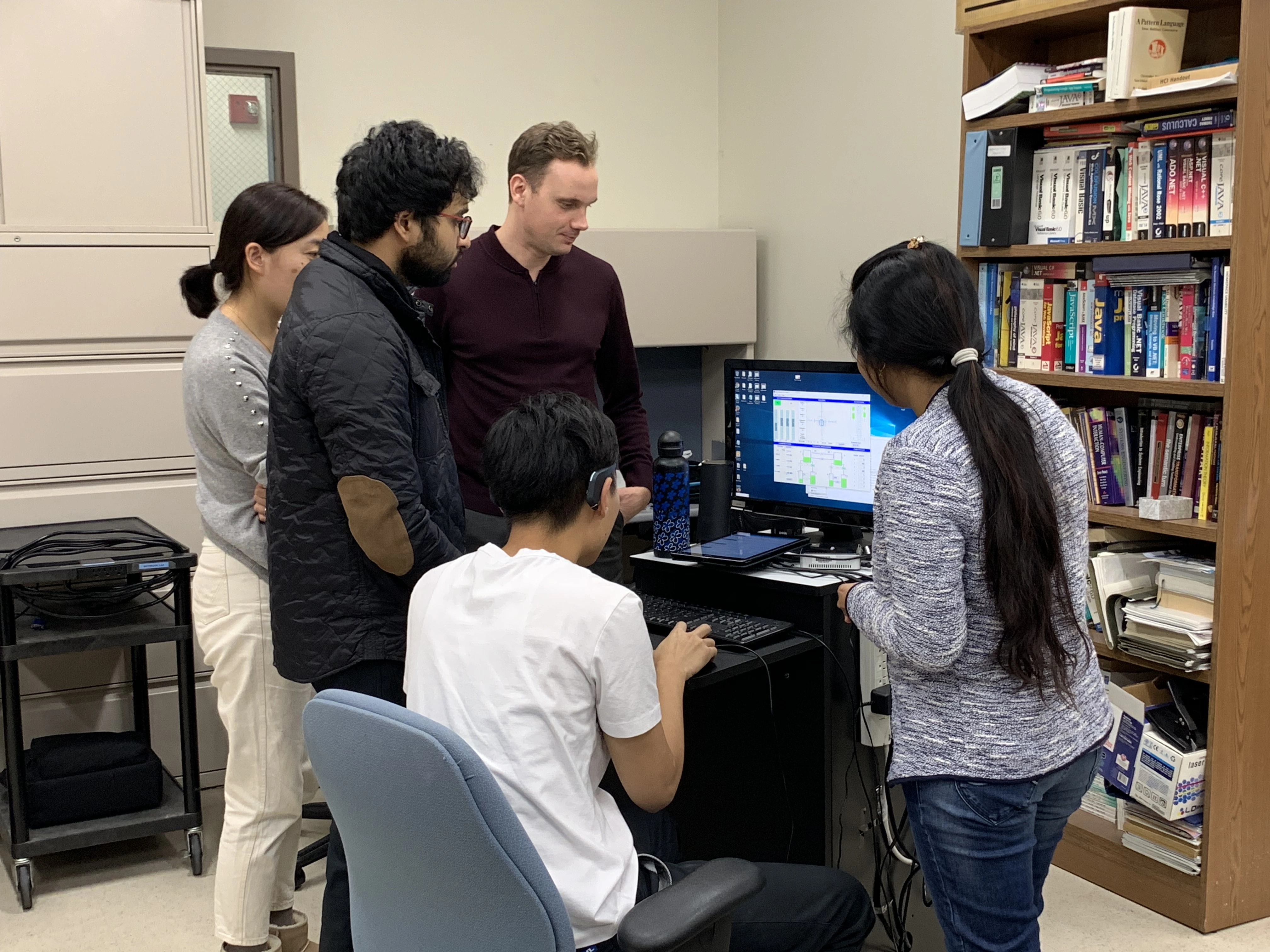
My research and teaching experience at Penn State leveraged my skills, knowledge and competence to the next level as I also got introduced to motion-capture systems to analyze industrial and office workers’ movements, striving to develop predictive models for workplace wellbeing and efficiency.
Approximately 30 percent of employees worldwide report an increase not only in physical, but also mental workload. This excessive workload can result in serious health problems that can lead also to organisational productivity loss, something that highlights the urgency and global relevance of ergonomics research and of a contemporary look on important cognitive aspects of Ergonomics, including neuroergonomics.
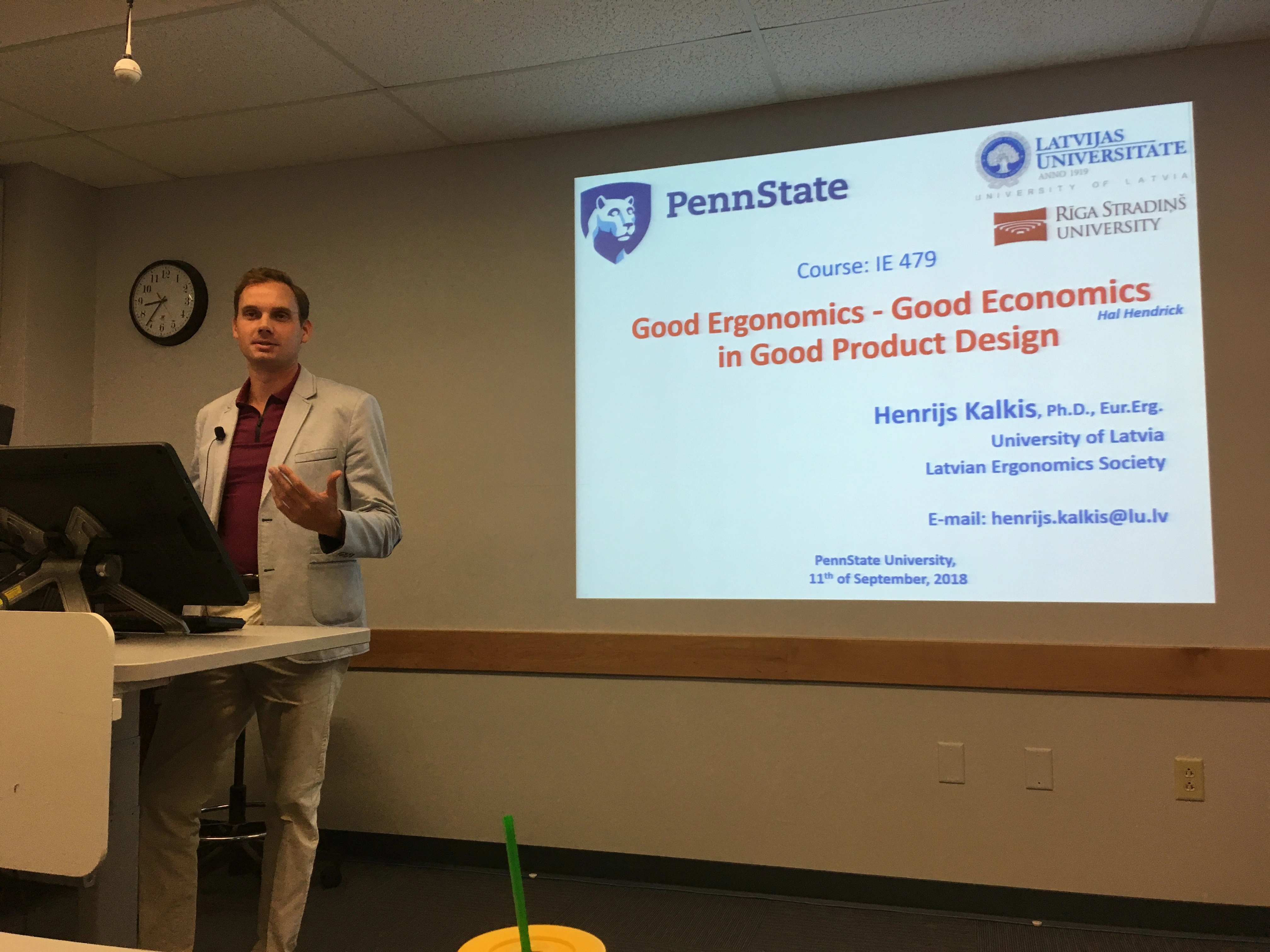
Through my Fulbright experience, I not only advanced my technical skills, but I was also able to bring Latvian expertise to the international stage. I delivered lectures in Penn State study courses that were even streamed to students at Seoul National University, reaching learners far beyond U.S. borders. My active participation in the Human Factors and Ergonomics field, guest lectures, and research projects exemplify the exchange of knowledge and culture at the heart of the Fulbright program.
After my Fulbright Award, I brought several new ideas of study programs back to University of Latvia, such as the Industrial Engineering and Management, Human Factors, Occupational Safety and Health, as well as research innovations in multidisciplinary fields that have been resulted in the establishment of a new Department of Human Factors and Working Environment at the University of Latvia.
My active participation at the conferences, such as regular attendance of International Conference on Applied Human Factors and Ergonomics, The Human Factors and Ergonomics Society (HFES) annual conferences, Institute of Industrial and Systems Engineers conferences and many other esteemed U.S. based conferences have intensified my commitment to advancing the field of Human Factors and Ergonomics. I can also say that during my Fulbright experience I have embraced American culture, engaging with campus life and holiday traditions, which have enriched my perspective as both a scholar and a global citizen, as experiencing American academic culture firsthand provided me with insights that will inform my research, teaching, and personal development for years to come.
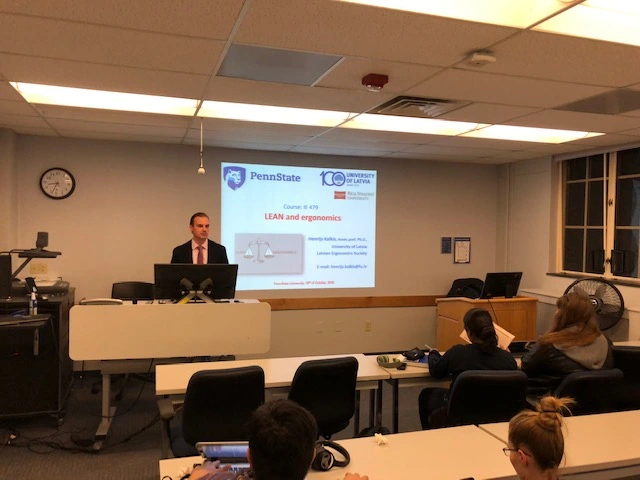
Now back in Latvia, I continue my work at the University of Latvia as a full professor and head of department, integrating the latest ergonomic and human factors practices into my teaching and research scope. I remain dedicated to expanding the ergonomics field locally and internationally, developing strong collaboration with Penn State and other universities, including Arizona State University, Carnegie Mellon University, University of Central Florida, Miami Dade College and many other connections that I’ve gained during my Fulbright journey.
With my business management and leadership background I can attest that ergonomics are part of developing a good business: it’s a blend of well-being and job performance. If you will take care of workers at the organisations, they will take care of the business. There is a deep connection between workplace comfort, health and safety and organizational success.
My story is a testament to the power of Fulbright exchanges: bridging countries, empowering leaders, and fostering enduring collaborations that transform other people's lives, organisations and industries.