

Snapshots presents Trupti Jain on 'Bhungroo', award-winning technology for storm-water management
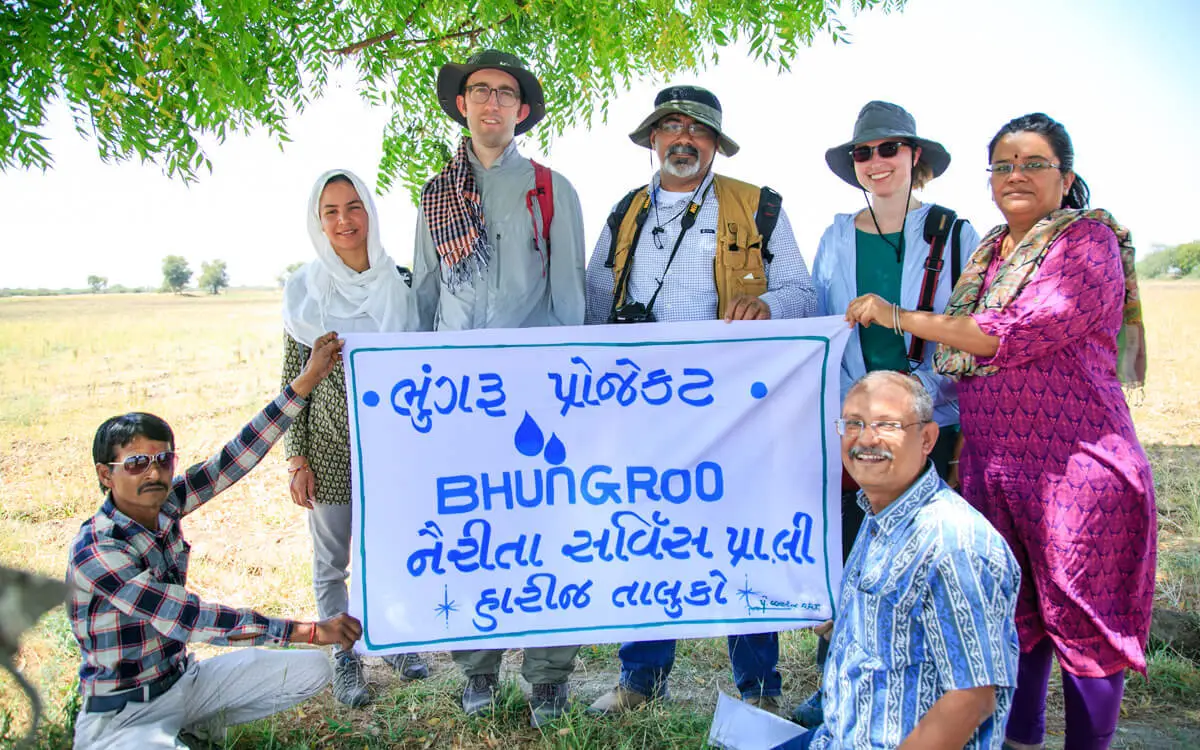
"The success of Bhungroo in Sami Harij has demonstrated that sustainable solutions can be effectively scaled when they are inclusive and community-driven."
Could you tell us more about Bhungroo, your Zero Water Waste Challenge 2024 award-winning technology for stormwater management?
Bhungroo is an innovative water management technology that addresses the critical issue of water scarcity, particularly in arid and semi-arid regions. The name "Bhungroo," which means "straw" in Gujarati, reflects its core function: it acts as a natural filtration system that allows excess stormwater to be stored underground and used during dry periods. This sustainable solution is designed to both mitigate flooding and provide a reliable water source for agricultural purposes.
Bhungroo's mechanism is simple yet highly effective. During the monsoon season, it captures excess rainwater, which is then filtered and injected into the underground aquifers. This stored water can be accessed during dry spells, ensuring a continuous supply for irrigation and other needs. The technology is particularly beneficial for smallholder farmers, who often face the dual challenges of flooding and drought. By managing water resources more efficiently, Bhungroo helps improve crop yields and food security.
The Zero Water Waste Challenge, promoted by UpLink and the World Economic Forum, recognized Bhungroo for its innovative approach to stormwater management. Winning this challenge highlights the technology's potential to address global water scarcity issues and its scalability to various regions facing similar problems.
This recognition not only underscores the effectiveness of Bhungroo but also aligns with broader goals of sustainable development and climate resilience. By promoting water conservation and efficient usage, Bhungroo contributes significantly to the sustainability agenda, making it a vital tool in the fight against climate change and water scarcity.
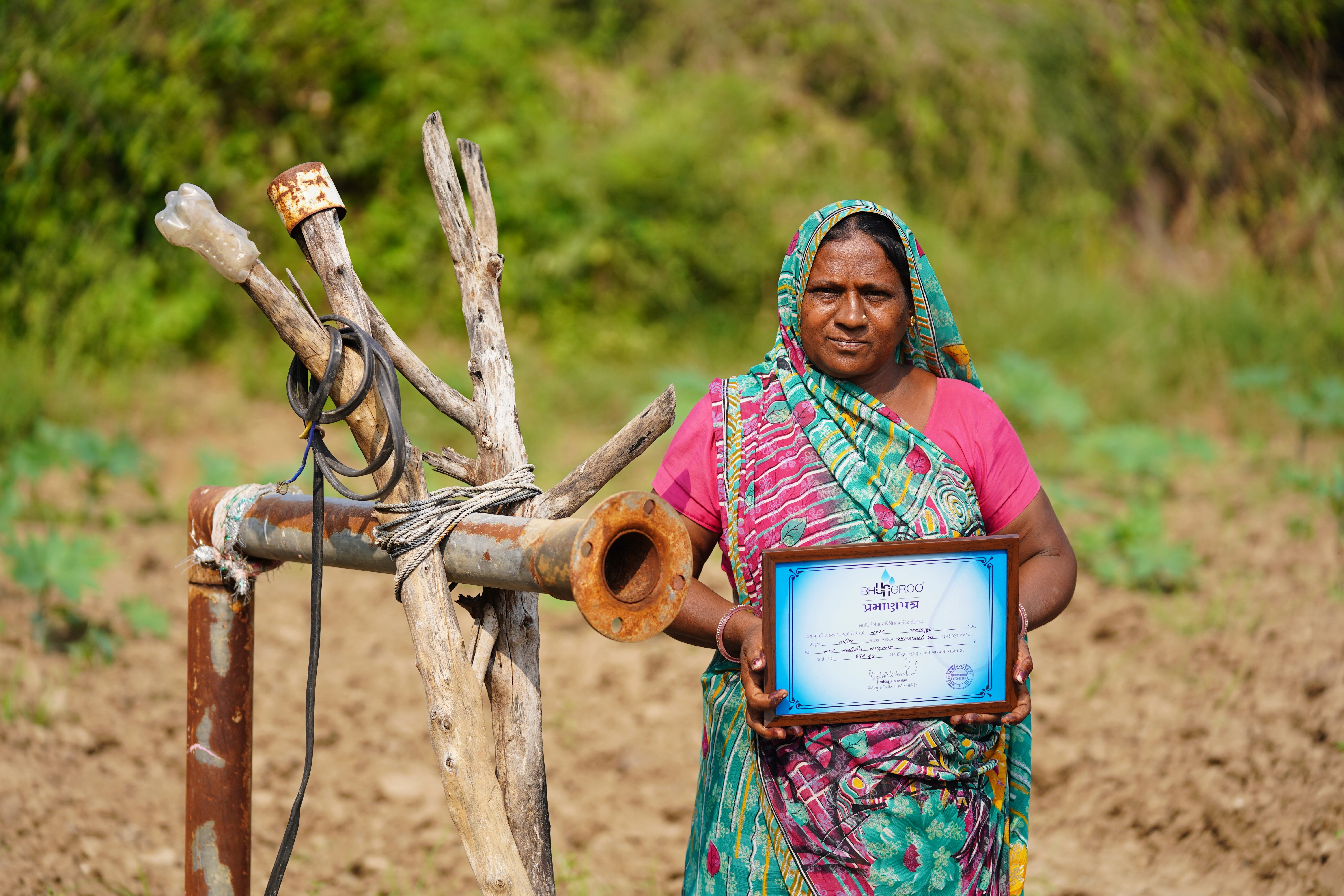
As an expert in gender equality and sustainable development, can you share more about how you came to create Bhungroo?
The creation of Bhungroo was deeply influenced by the challenging conditions faced by farmers in the Sami Harij block of Gujarat, a region characterised by extreme water scarcity and erratic rainfall. It was innovated by Mr. Biplabketan Paul, co-founder of Naireeta Services, with great support from the community, especially women farmers.
As an expert in gender equality and sustainable development, I have always been keenly aware of how environmental issues disproportionately affect marginalised communities, particularly women. In Sami Harij, smallholder farmers, who often own less than two hectares of land, struggle with both flooding during the monsoon season and drought during the rest of the year. These conditions severely impact agricultural productivity and livelihoods. Observing these challenges firsthand, I realised the need for a sustainable water management solution that could alleviate these dual threats.
The idea for Bhungroo emerged from understanding traditional water conservation practices and integrating modern technology to enhance their efficiency. Bhungroo, which means "straw" in Gujarati, acts as a natural filtration system that captures and stores excess stormwater underground, making it available during dry periods. This innovation not only prevents flooding but also ensures a reliable water source for irrigation, crucial for sustaining agriculture in this region.
A key aspect of Bhungroo's implementation is its co-ownership model, particularly involving women farmers. In many rural areas, women are the primary managers of water and agriculture but often lack ownership rights and decision-making power. To address this, Bhungroo is co-owned by groups of women farmers, empowering them with both control over the technology and the benefits it brings. This model ensures that women have a significant role in water management, enhancing their social and economic status within their communities.
The success of Bhungroo in Sami Harij has demonstrated that sustainable solutions can be effectively scaled when they are inclusive and community-driven. By addressing both environmental and social dimensions, Bhungroo contributes to broader goals of gender equality and sustainable development, showcasing how innovative approaches can transform lives.
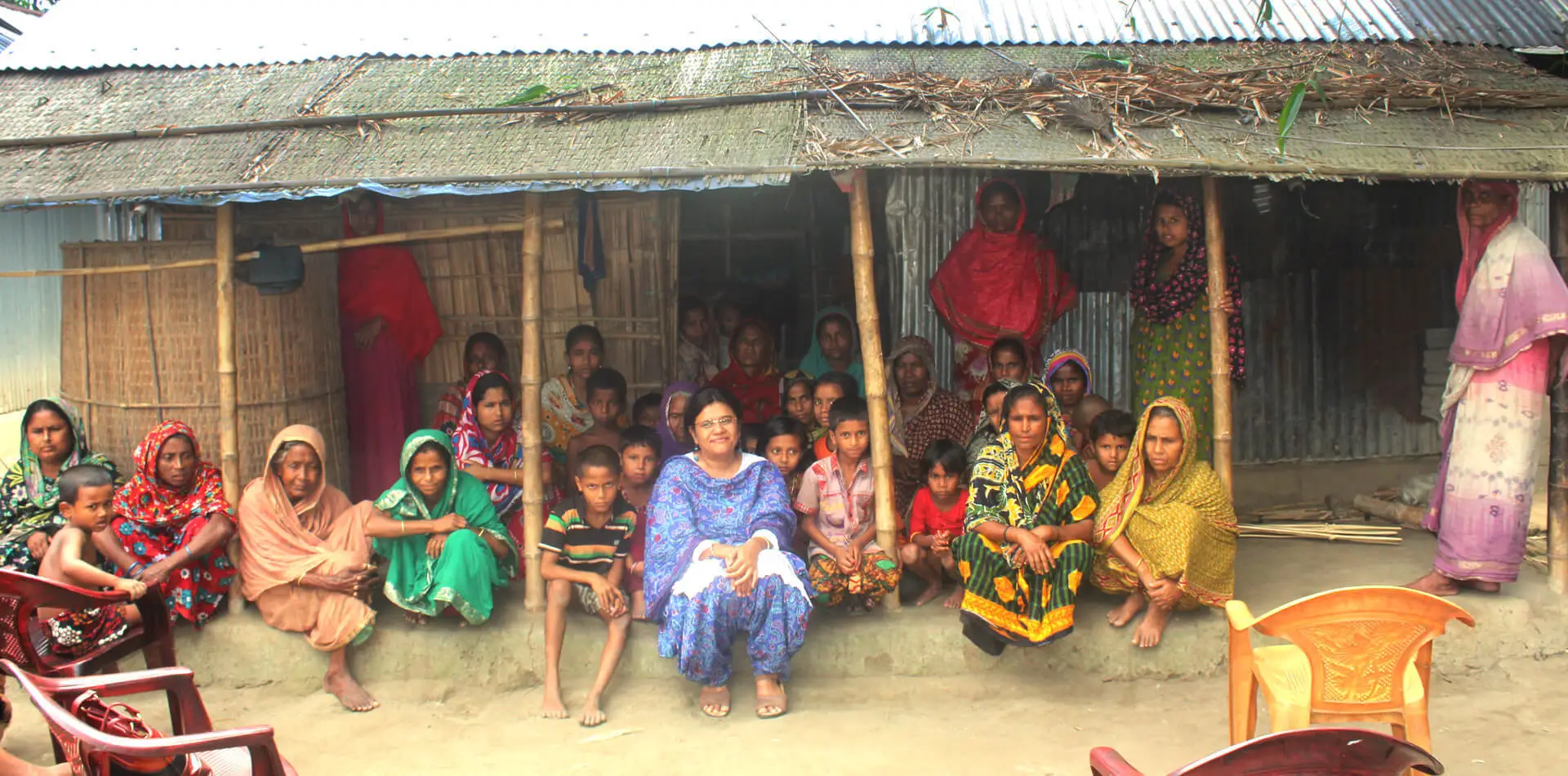
How have your experiences as a Fulbrighter influenced this technology?
My experiences as a Fulbright scholar in 2012, focusing on environmental governance at Michigan State University, played a pivotal role in the creation of Bhungroo. The scholarship provided a rich platform for academic and practical learning, where I had the privilege of travelling extensively, visiting women’s colleges, and meeting numerous entrepreneurs. These interactions were instrumental in shaping my understanding of environmental and social issues, particularly the intersection of gender and climate change.
During my time at Michigan State University, I had the invaluable guidance of Dr. Mark Axelrod, whose insights deepened my appreciation for the critical role women play in environmental management. This understanding was a cornerstone in the conceptualization of Bhungroo. I realised that involving women in sustainable solutions was not just beneficial but essential for effective environmental governance.
On my return to India, fueled by the knowledge and experiences gained during my Fulbright scholarship, I founded Naireeta Services as a social enterprise. The modest savings from my Fulbright scholarship provided the initial financial support needed to launch this endeavour. Naireeta Services aimed to address the dual challenges of water scarcity and gender inequality in agriculture, which were glaring issues in regions like the Sami Harij block of Gujarat.
The core idea of Bhungroo—capturing and storing excess stormwater for use during dry periods—was developed with a strong emphasis on women’s involvement. Women farmers co-own the Bhungroo systems, giving them control over a critical resource and elevating their social and economic status. Additionally, I initiated a Women Climate Leader Program, which builds the capacity of women farmers, turning them into micro-entrepreneurs. This program has been crucial in empowering women to take active roles in climate resilience and environmental management.
Thus, my Fulbright experience significantly influenced the development of Bhungroo, embedding gender inclusivity and sustainable practices at its core, and demonstrating how international education and collaboration can drive impactful social innovation.
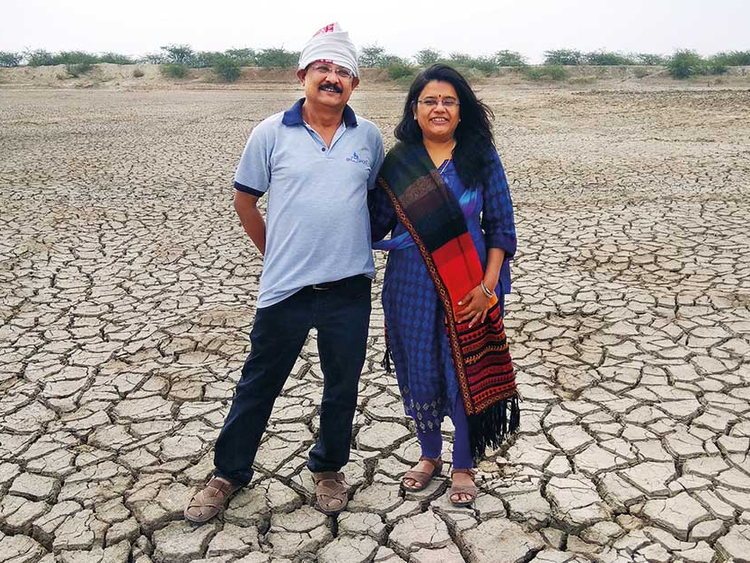
More about Trupti
Trupti Jain is a visionary leader and co-founder of Naireeta Services, dedicated to transforming rural livelihoods through sustainable water management solutions. With a strong background in environmental engineering and a passion for social entrepreneurship, Trupti has pioneered the implementation of the innovative Bhungroo technology, helping countless women farmers achieve water security and improve agricultural productivity. Her work has earned her numerous accolades and recognition on global platforms. Trupti is committed to driving positive change and empowering communities, leveraging her expertise and leadership to address pressing environmental challenges.