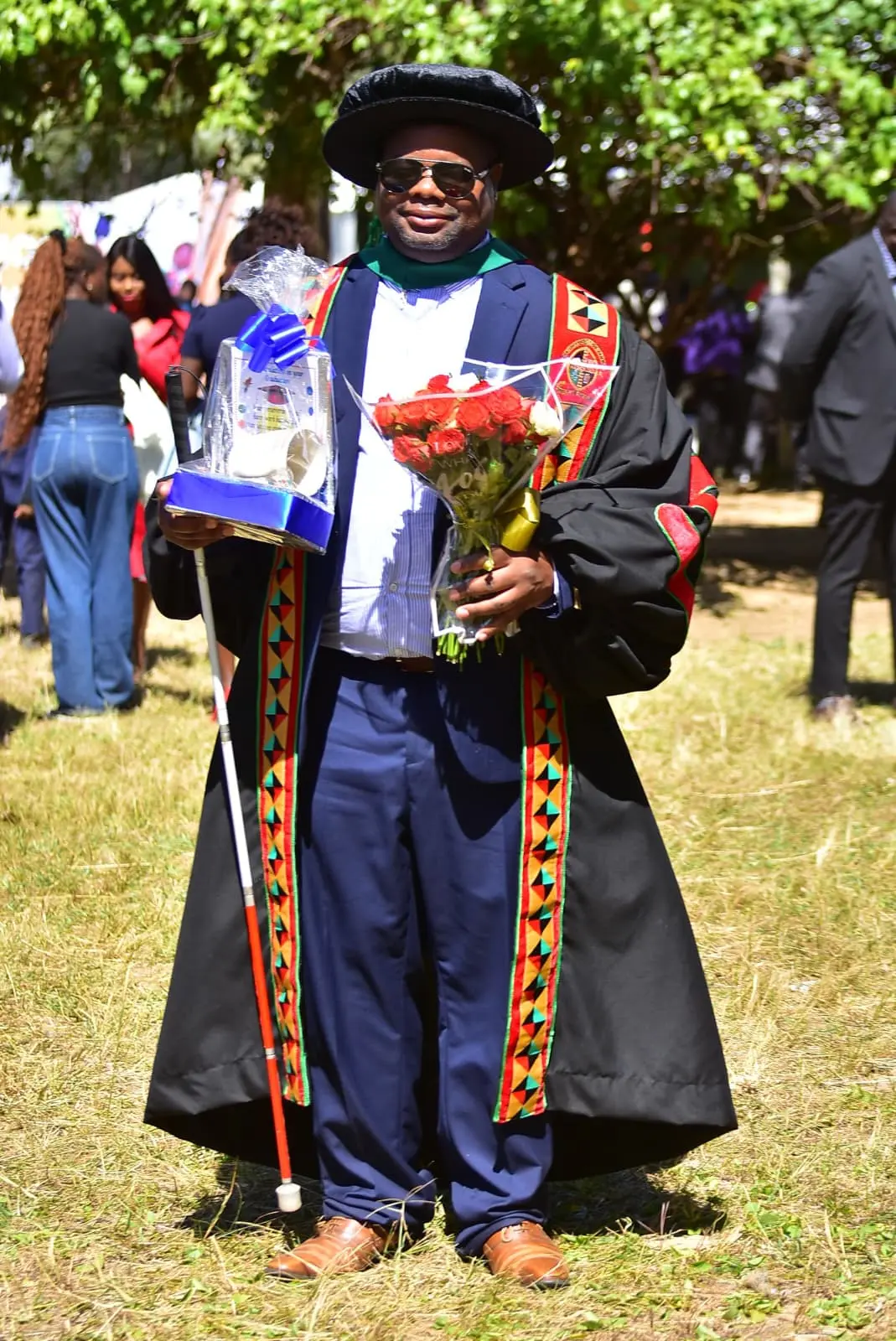
The Vision Beyond Sight: Thomas Mtonga on Navigating Rejection and Triumph in the Quest for Inclusive Justice
Article written by Fulbrighter Thomas Timothy Mtonga.
Introduction
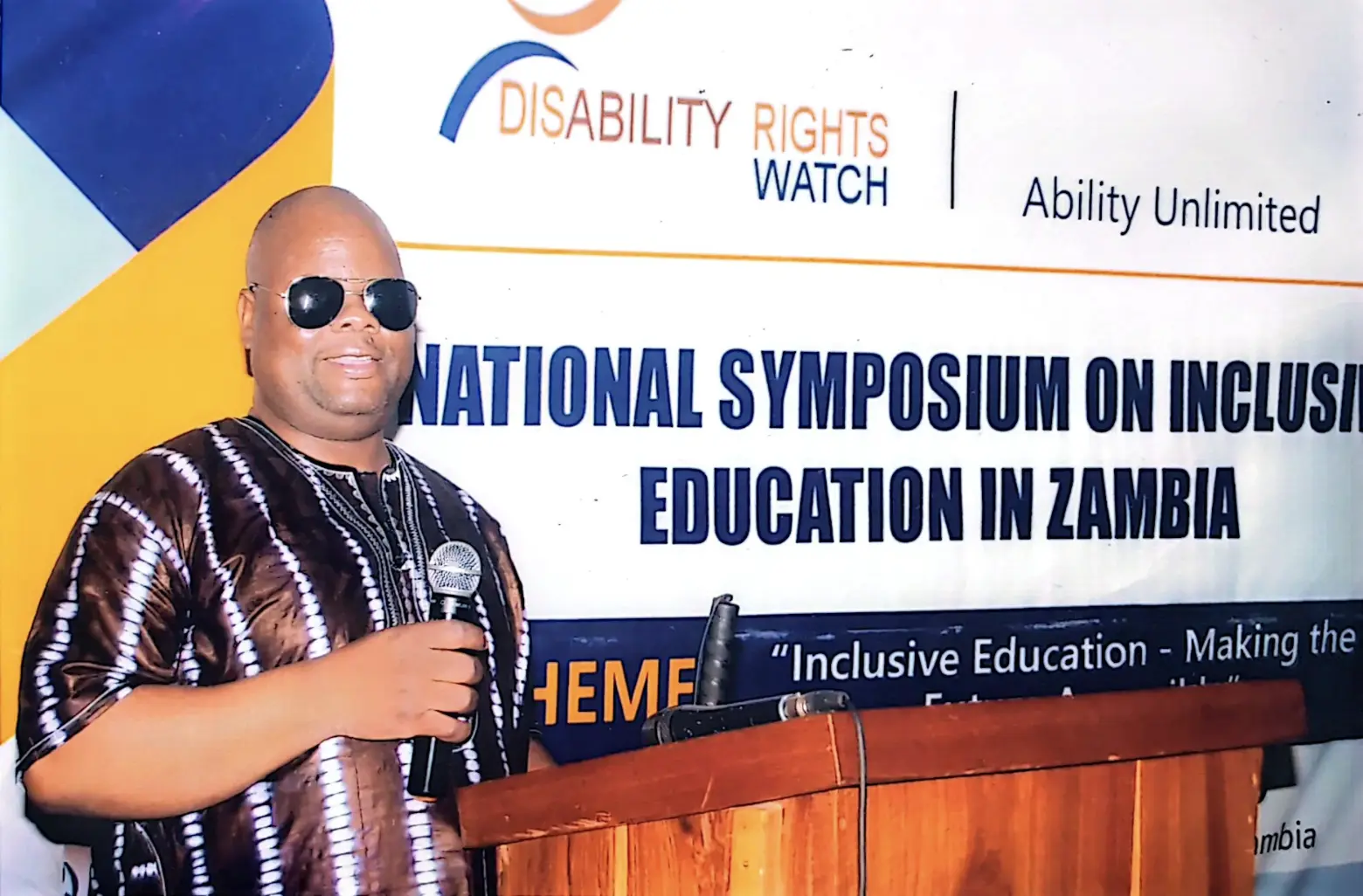
Society often measures people by what they can do. Yet for persons with disabilities, we are frequently judged by what others assume we cannot do. My life has been shaped not only by blindness but by the myths, prejudices, and systemic barriers surrounding disability. From a rural village in Zambia to the academic corridors of the University of Minnesota, my journey illustrates both the challenges and possibilities of inclusive education.
My story is not merely about personal resilience. It is about the power of education to transform lives and the urgent need to dismantle barriers that exclude persons with disabilities from full participation in society. This article reflects on key moments in my life — from losing my sight as a child to becoming a lecturer and advocate for disability rights — and the lessons they reveal about inclusion, justice, and human potential.
The Genesis of My Disability
On Christmas Day, December 25, 1980, when I was nine years old, my life changed forever. While playing traditional drums with friends, I suddenly developed a severe fever later that afternoon. By evening, my vision began to fade. Within two weeks, I could no longer see. In my village, many believed my blindness resulted from witchcraft. Traditional remedies were applied to my eyes while my condition worsened. Only later was it discovered that I had developed severe complications from measles. When my father finally rushed me to a hospital 31 kilometers away, doctors were shocked by the delay in treatment. One eye had developed serious infections and had to be surgically removed to save my life.
After two months in the hospital, I returned home completely blind. My family struggled to understand what had happened. Visitors came to express sympathy as though they were attending a funeral. At times, I wondered whether people believed I was still alive. But although I had lost my sight, I had not lost my future.
Family and Community Barriers
My parents and extended family had little formal education and were deeply influenced by traditional beliefs about disability. Some relatives believed blindness was contagious. Others saw my condition as a source of shame. When I began attending Ndola Lions School for the Blind, some family members felt relieved to have me away from home.
One painful memory remains vivid. When school closed for the holidays in 1982, parents came to collect their children. My parents did not come. I stayed at school alone for three weeks until the head teacher, moved by my loneliness, took me to his home. Eventually my father arrived and admitted that relatives had discouraged him from bringing me home. Fortunately, a blind teacher at the school spoke with him, helping him realize that blindness did not mean inability. From that moment forward, my father became my strongest supporter.
Even so, resistance within the wider family remained strong. In 1990, when I qualified for secondary school, relatives held a meeting and decided it was pointless to spend money educating a blind child. For two school terms I remained at home. Determined not to abandon my education, I announced that I would travel alone back to school — 270 kilometers away. My mother wept as she shared my story with neighbors. Eventually, members of a Catholic church choir raised money for my transport.
When I arrived at school, a Ghanaian teacher, Mr. Bafo Ampate Kudua, heard my story and offered to sponsor my education. His generosity enabled me to complete high school. Today, I have sponsored the education of more than forty able-bodied children from my village — demonstrating how belief in one child can transform many lives.
Educational Barriers and Breakthroughs
When I entered Katete Secondary School in 1988 as one of the first blind students, many sighted learners were afraid of us. Some ran away when they saw us. At first we were not allowed to eat in the same dining hall as other students because of fears that blindness might spread. The school had no braille materials, and no teachers trained in special education. Some teachers even abandoned classes when they saw us as blind learners present.
Gradually, attitudes began to change — especially after I performed among the top students in provincial examinations. After finishing secondary school, I applied to Nkrumah Teachers College. Initially I was rejected because the institution did not know how to accommodate a blind student. Refusing to accept this decision, I traveled to the college in person and requested another chance.
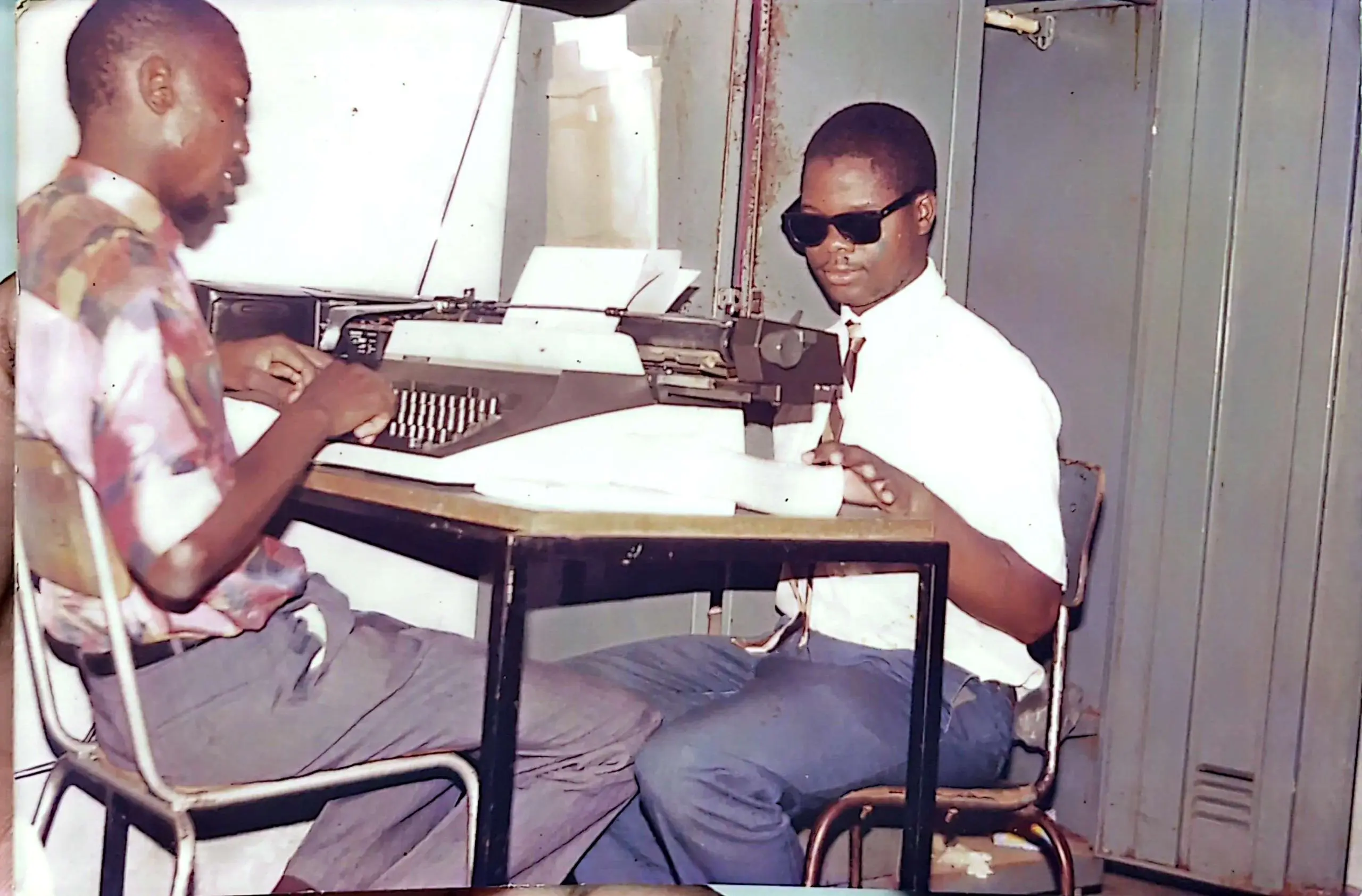
Soon after classes began, administrators again considered dismissing me due to the absence of braille materials. Desperate to remain, I proposed a solution: if given a typewriter, I could type my assignments and examinations. The Kabwe Rotary Club donated a 20-kilogram Triumph typewriter, which became my most valuable academic tool. Using that typewriter, I completed my studies and graduated with an award for academic excellence.
Higher Education and Advocacy
In 2001, I was accepted to the University of Zambia to study Special Education. Despite being among the first applicants, I was denied government sponsorship while forty-two able-bodied teachers received funding. Believing this decision reflected discrimination, I reported the matter to the Teaching Service Commission. After further advocacy — including presenting my case to the Office of the Vice President — the Ministry of Education reversed its decision and began sponsoring my education.
Yet many challenges remained. The university library had no braille books, and lecturers did not know braille. I relied heavily on friends to share readings while I continued using my typewriter for assignments. In a class of 76 students, I was the only blind student. Nevertheless, I performed among the best in the cohort. After graduating in 2008, the University Senate invited me to return as the first blind lecturer at the University of Zambia in 2009.
Political and Legislative Barriers
My experiences convinced me that many of the challenges faced by persons with disabilities stem from weak political commitment and inadequate implementation of disability laws. Although Zambia domesticated the Convention on the Rights of Persons with Disabilities (CRPD) in 2012, many of its provisions remain poorly implemented. Essential supports — such as personal assistants for blind professionals — are still unavailable.
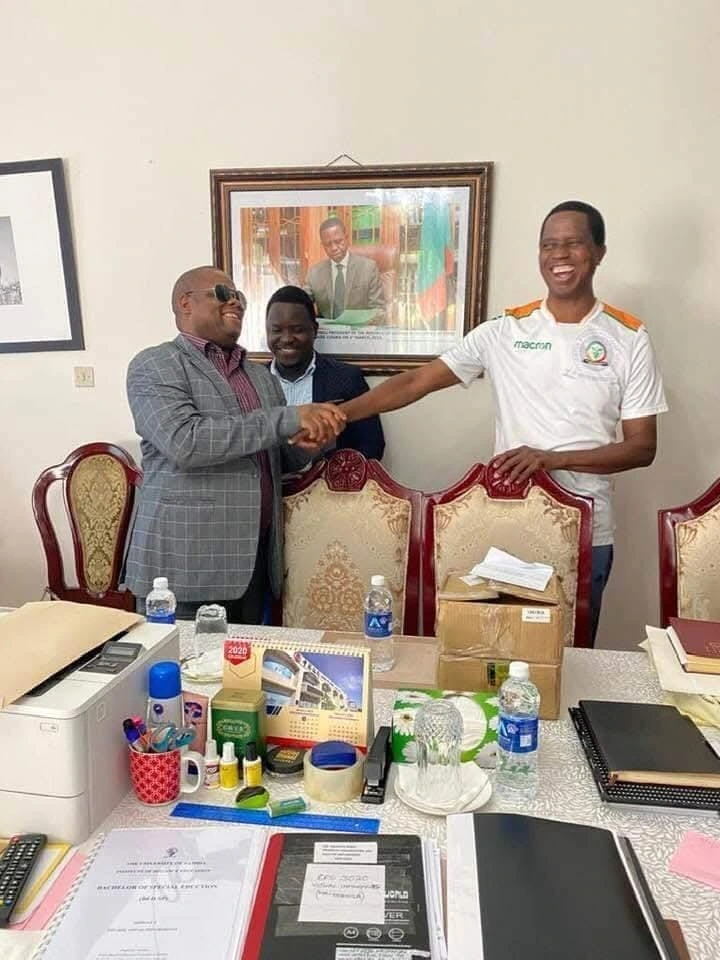
Believing that policy change requires representation, I contested parliamentary elections in 2021 in my home district of Chasefu, becoming the first blind individuals in Zambia to run for parliament. In Chasefu, I built a clinic for people who would only access health services 12 kilometers away. I renovated schools and built bridges. Supported by the then President, my campaigns gained momentum and became a challenge to my other contenders.
Although my campaign gained strong support, misinformation and prejudice influenced the outcome. Opponents spread myths that disability was contagious or incompatible with leadership. I ultimately lost the election — and soon afterward also lost my position at the University of Zambia.
Conclusion
My life journey reveals a truth that extends far beyond my personal story: the greatest obstacles faced by persons with disabilities are not their impairments but the attitudes and systems that exclude them. From the rural myths surrounding my childhood blindness to the institutional barriers within education and politics, each stage of my life has exposed the urgent need for inclusive thinking and policy reform. Yet my story also demonstrates what becomes possible when opportunity meets determination. Education opened doors that society once insisted were closed. Today, I stand not only as a scholar, but as evidence that disability does not limit intelligence, leadership, or contribution.
The struggle for inclusion is not about charity. It is about justice. My hope is that future generations of children with disabilities will not need extraordinary resilience simply to access education, employment, and dignity. Instead, they will grow up in societies where inclusion is not an exception but a norm. Though I lost my physical sight many years ago, I have dedicated my life to ensuring that the world sees the abilities, rights, and humanity of persons with disabilities.